
Review
TICK, TICK… BOOM! The Unbearable Weight of Massive Talent
All the songs used in tick, tick… Boom! were written by Larson—mostly for the titular show, but there are also musical numbers from Superbia and nods to Rent.

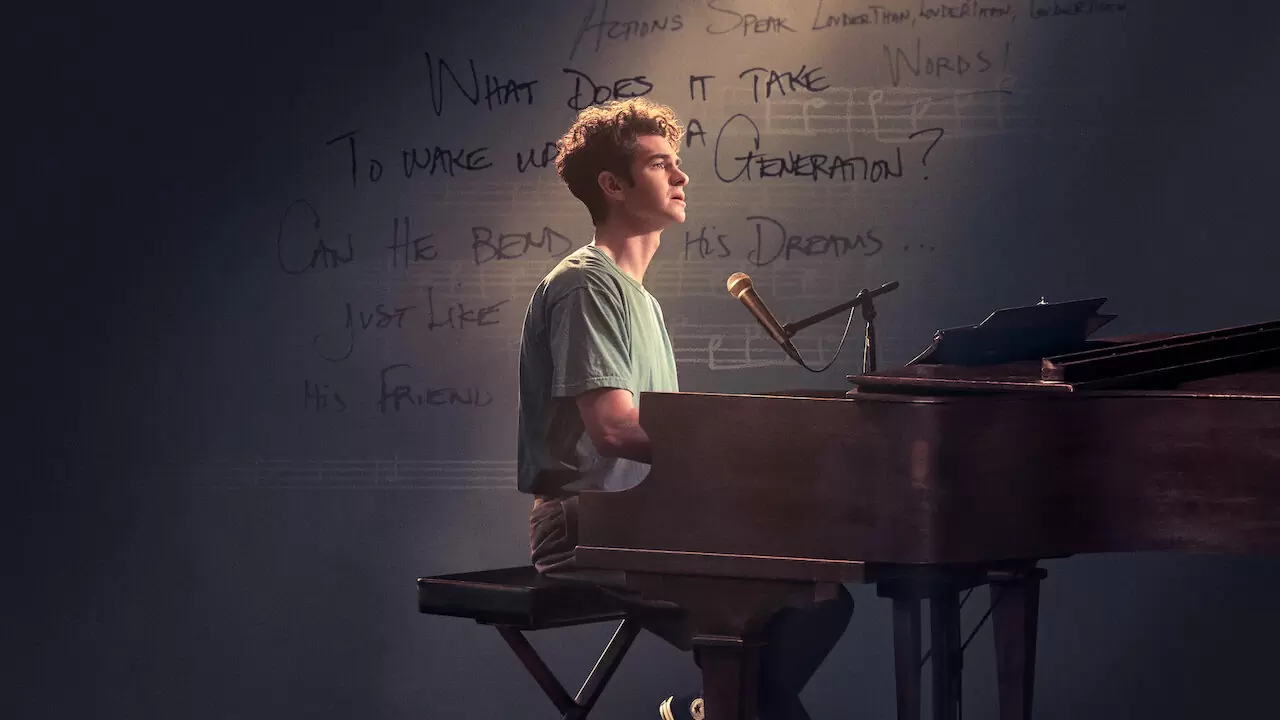
Jonathan Larson hurried through life, sensing that he might not have enough time to fulfill himself. His greatest dream was to create musicals. He managed to write four: Saved! – An Immoral Musical on the Moral Majority (co-created with David Glenn Armstrong), Superbia, tick, tick… Boom!, and finally Rent. The last of these brought Larson three Tony Awards (including the most prestigious one, for Best Musical), a Pulitzer Prize, and well-deserved international fame. The musical remained on stage for the next 12 years, was translated into 24 languages, and performed in nearly 30 countries.
However, the author did not live to see “all that buzz” he had so longed for. He died on January 25, 1996, at the age of just 36, right before the official premiere of Rent. The day before, he had given his first—and at the same time, last—interview to The New York Times.
Larson’s musical showed the American that within this specific convention, it was possible to talk about everyday, mundane struggles with life, to create unique, personal works deeply marked by their creator. Later came a fascination with tick, tick… Boom! (essentially a rock monologue in a one-man show format), written by Larson shortly after the failure of the futuristic Superbia, which he had dedicated eight years of his life to. Miranda engaged with the show not only passively (as an audience member) but also actively—staging it on Broadway and playing the role of Jonathan, the author’s alter ego. The choice of Larson as the central figure of Miranda’s directorial debut seems more than obvious in this context.
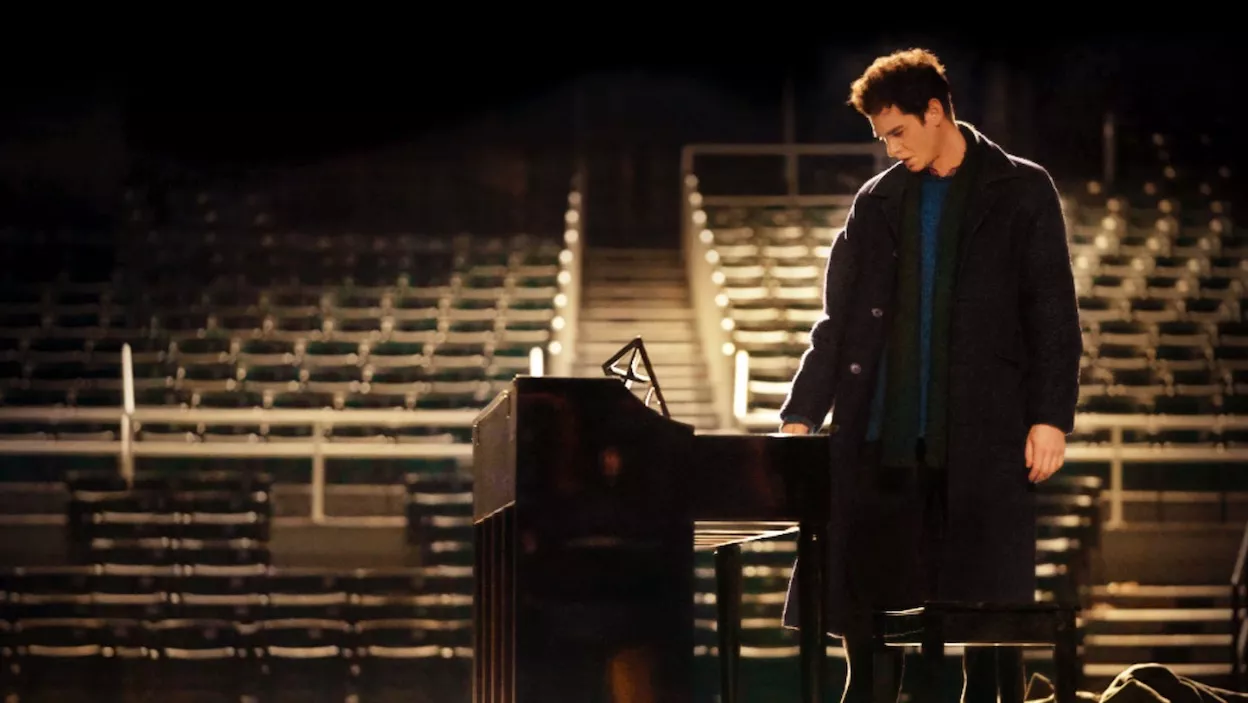 The narrative backbone of tick, tick… Boom! is the titular performance, through which Larson (Andrew Garfield) tries to cope with rejection, fleeting youth, and doubts about his own abilities. Between scenes from the stage, Miranda weaves a much more conventional storyline, focused on the protagonist’s preparations to stage Superbia. Consumed by work on the show and battling a creative block that prevents him from writing the key song, Larson begins to neglect those closest to him.
His relationships with his beloved Susan (Alexandra Shipp) and best friend Michael (Robin de Jesus) slowly begin to fall apart. And on top of it all looms merciless, breakneck time—every second brings the protagonist closer to the dreaded thirtieth birthday, the symbolic end of youth, which in the imagination of nearly every artist should be marked by spectacular success. The clock is ticking: tick, tick… Boom! 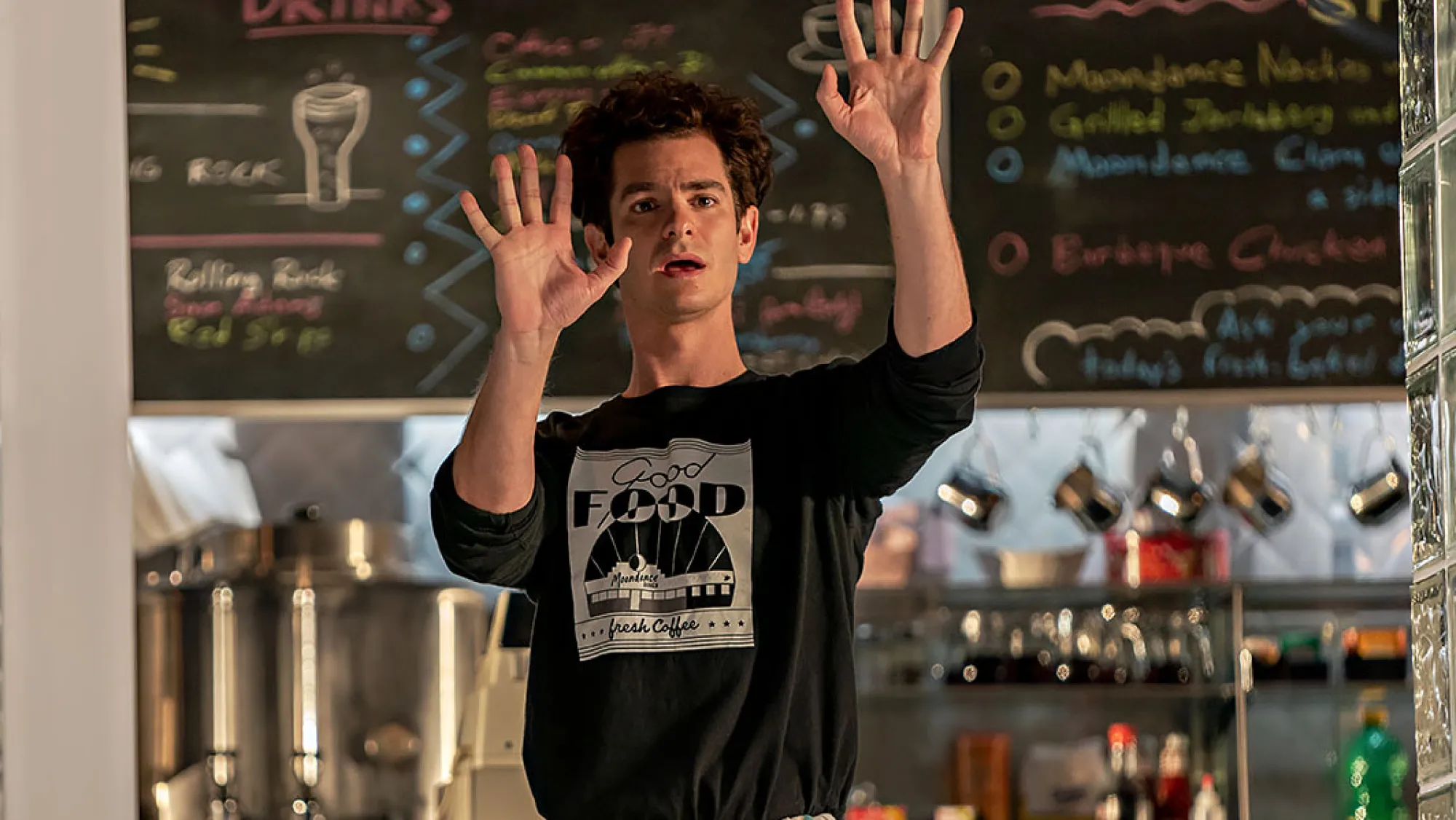 As one might expect, Miranda highly romanticizes his hero—his idol, connected to him since his teenage years.
Larson in tick, tick… Boom! is an Artist with a capital A: a man constantly thinking about his work, devoting every hour, minute, and second of his life to it, prioritizing art over everything else (even human relationships). Living day to day, among empty bottles, dirty dishes, and overdue bills. At the same time, he is tormented by a paralyzing inner fear—a lurking anxiety that he won’t manage to create the longed-for masterpiece or, even worse, that he will eventually give up and let himself be pulled into the machinery of daily life—a corporate job that ensures stability but drains the soul and kills creativity. Moreover, Larson in Miranda’s film represents a very specific model of an artist: one who is not afraid to draw on his own experiences as the main source of inspiration, fully accepting the risks involved.
A particularly telling scene in this context is the conversation between Jonathan and Susan—a conversation that might have led to reconciliation, but ultimately results in a breakup. The woman realizes that, even in the middle of their talk, the protagonist is already creatively processing the situation—thinking about how to turn it into a song and include it in the musical he’s working on. All the songs used in tick, tick… Boom! were written by Larson—mostly for the titular show, but there are also musical numbers from Superbia and subtle nods to Rent. I’m convinced that Larson’s extravagant solo performances from tick, tick… Boom! must have made a huge impression on stage, but on camera, they don’t always look as compelling.
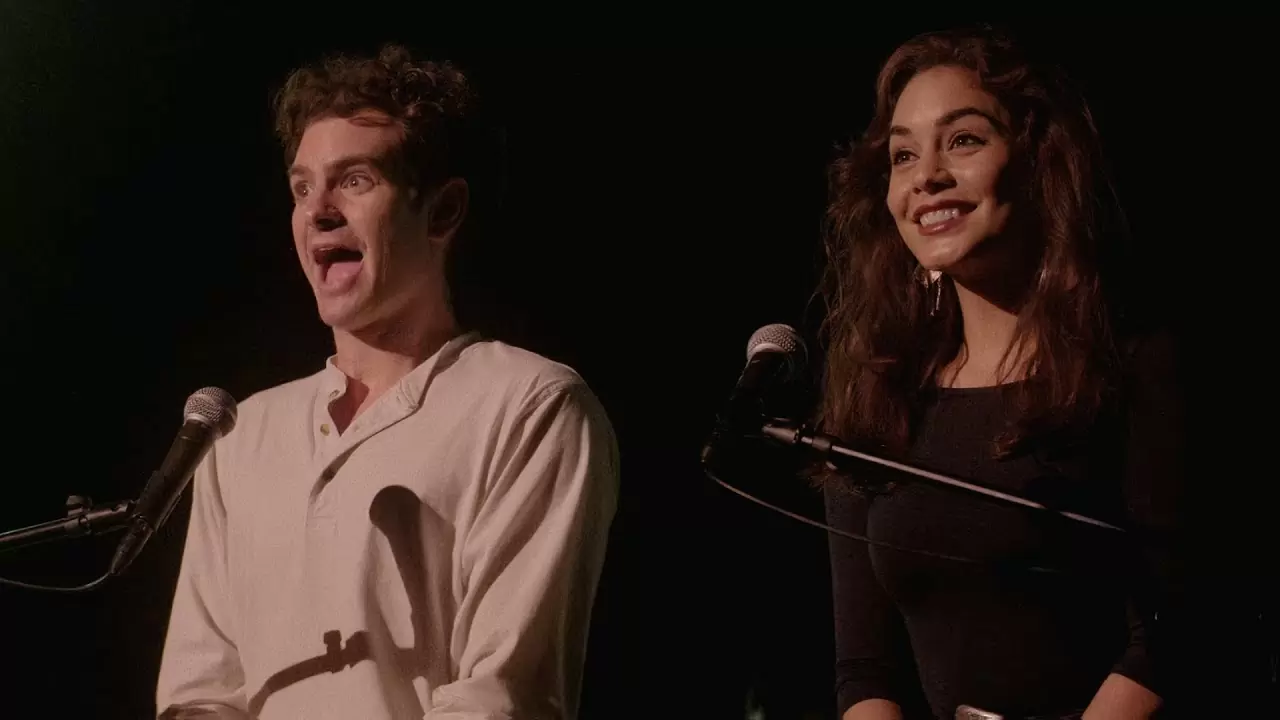
At times, it seems Miranda ran out of ideas for staging—as if he blindly followed his idol’s stage solutions, forgetting that he was dealing with cinema, a completely different medium than the theatrical musical. Fortunately, the talented performers come to the rescue—especially Andrew Garfield and Vanessa Hudgens (who previously participated in a stage version of Rent)—who immediately bring every musical number to life, thus bridging Miranda’s vision with Larson’s songs. Still, from the creator of something as fresh and brimming with creativity as Hamilton, we have the right to expect more.
 Jonathan’s fears turned out to be both justified and unfounded. Despite his moments of doubt, Larson had immense talent, which he managed to share with the world. However, he did so just in time, without living to see the fame that came to him after the premiere of the most mature work of his career. Miranda stops halfway—he doesn’t depict Larson’s life after the premiere of Superbia and tick, tick… Boom!, which were the most artistically fruitful years, marked above all by the intense work on Rent. He leaves his protagonist at a crossroads—with empty pockets, a head full of ideas, and a brutal but invaluable piece of advice given by his agent after the flop of Superbia: “This is what being a writer is. You pour everything you have into it, hoping something finally lands.”


Looking back at DEAD SNOW: A Blizzard of Nazi Gore Fun

DEAD SUSHI: Exotic, Spicy, and Wildly Entertaining

Revisiting ALICE, SWEET ALICE: Dread and Religious Symbolism

PUPPET MASTER: LITTLEST REICH – Achtung! It’s Good!
