
Review
THE JUNGLE BOOK. Disney’s Story About Loners


Poor Mowgli from The Jungle Book should be used to being abandoned by now. As a baby, swept away by a flood, he was lost in the depths of the Indian jungle. Luckily, he was found by the black panther Bagheera, who brought him to a wolf family to be raised. But when he turns ten, he must flee once again. Word spreads among the jungle’s inhabitants that the tiger Shere Khan has returned to their territory. The predator, who despises humans by nature, is determined to hunt down and kill the boy.
Bagheera knows there’s only one way to save him: Mowgli must reach the human village. Only humans can protect him. Unaware of the danger, the boy eagerly sets out on this new journey—though he will soon learn that even Bagheera cannot stay with him forever.

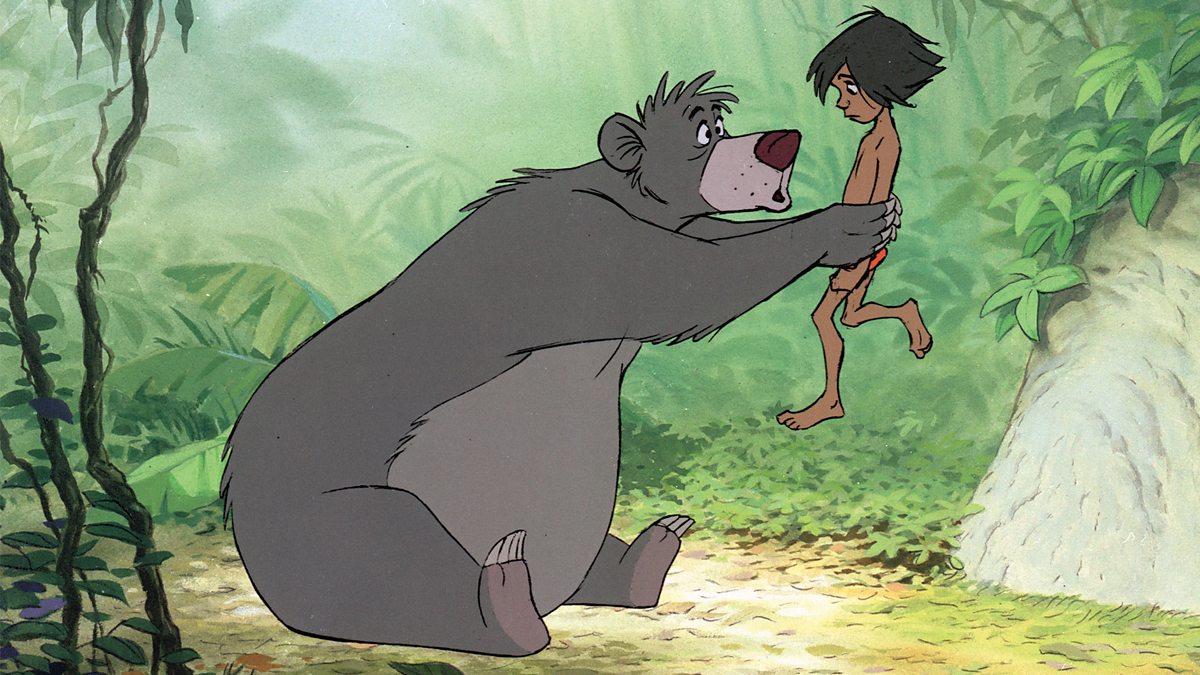
The Jungle Book is a story about loners who suddenly find themselves responsible not only for their own lives. The most interesting dynamic lies in the contrast between the bear Baloo and Bagheera. The former, with his bulk and easygoing nature, likely wandered aimlessly through the jungle before stumbling upon the strange pair: a black panther escorting a “man-cub.” Baloo is a blind optimist, infectiously carefree from the very start—convinced there’s never any need to worry. The glass is always half full, and every situation has its bright side. It’s exactly the kind of support Mowgli needed.
Bagheera, on the other hand, though always present in the boy’s life, prefers to stay in the background. He possesses great empathy and care, but rarely shows it openly to Mowgli. He has no desire to cross the line of familiarity that Baloo so easily steps over. He is closer to being a guardian than a friend.
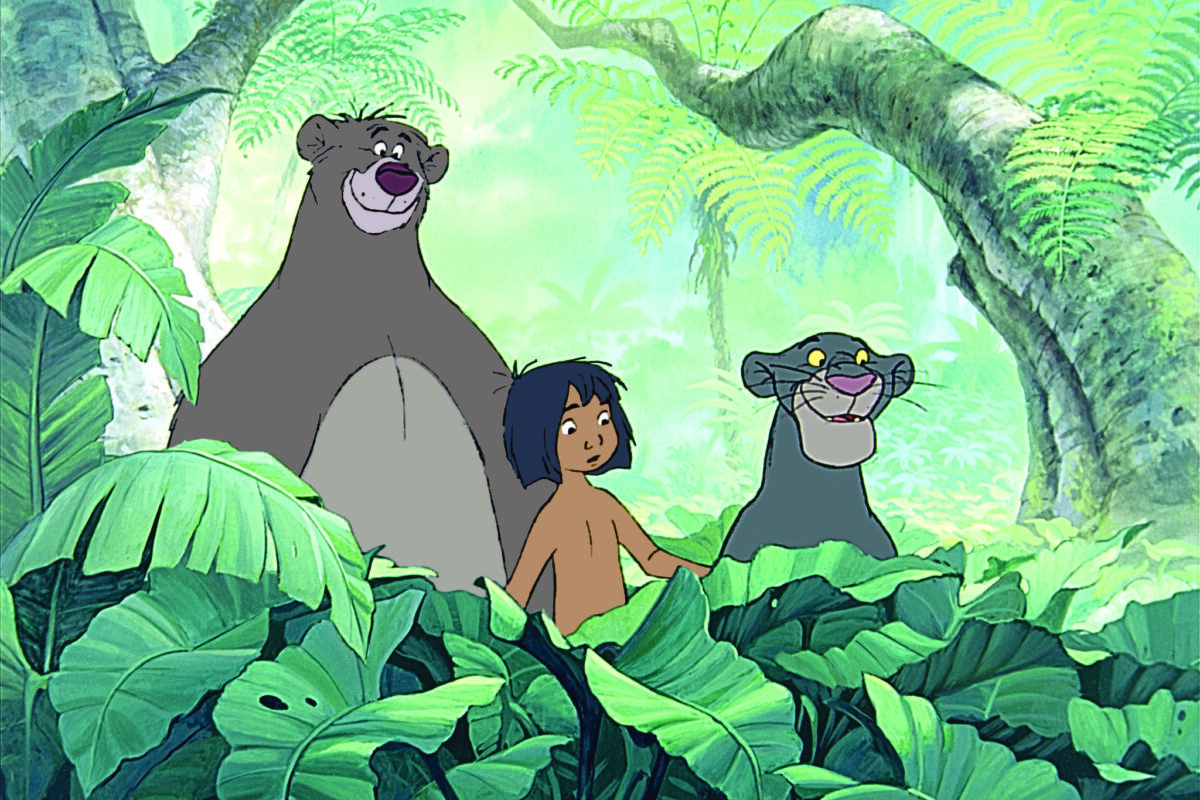
The plot of The Jungle Book is rather fragmentary and serves mostly as a pretext. Walt Disney looks broadly at the Indian jungle. During their journey, Mowgli, Bagheera, and Baloo encounter various groups of animals, each highly anthropomorphized. The elephants form a marching army, the monkeys resemble a street gang, and the vultures act like a British rock band straight out of the Beatles era. Beyond the humor, these episodes serve little purpose. Disney leaves no clues for interpreting The Jungle Book as an allegory of anything. The elephants have everything an army could need—except discipline.
The vultures are laid-back and friendly, though somewhat cowardly. Still, as comic relief, they work very well. They provide a sense of safety, softening the threat that looms over the story. The filmmakers clearly knew who their main audience would be.
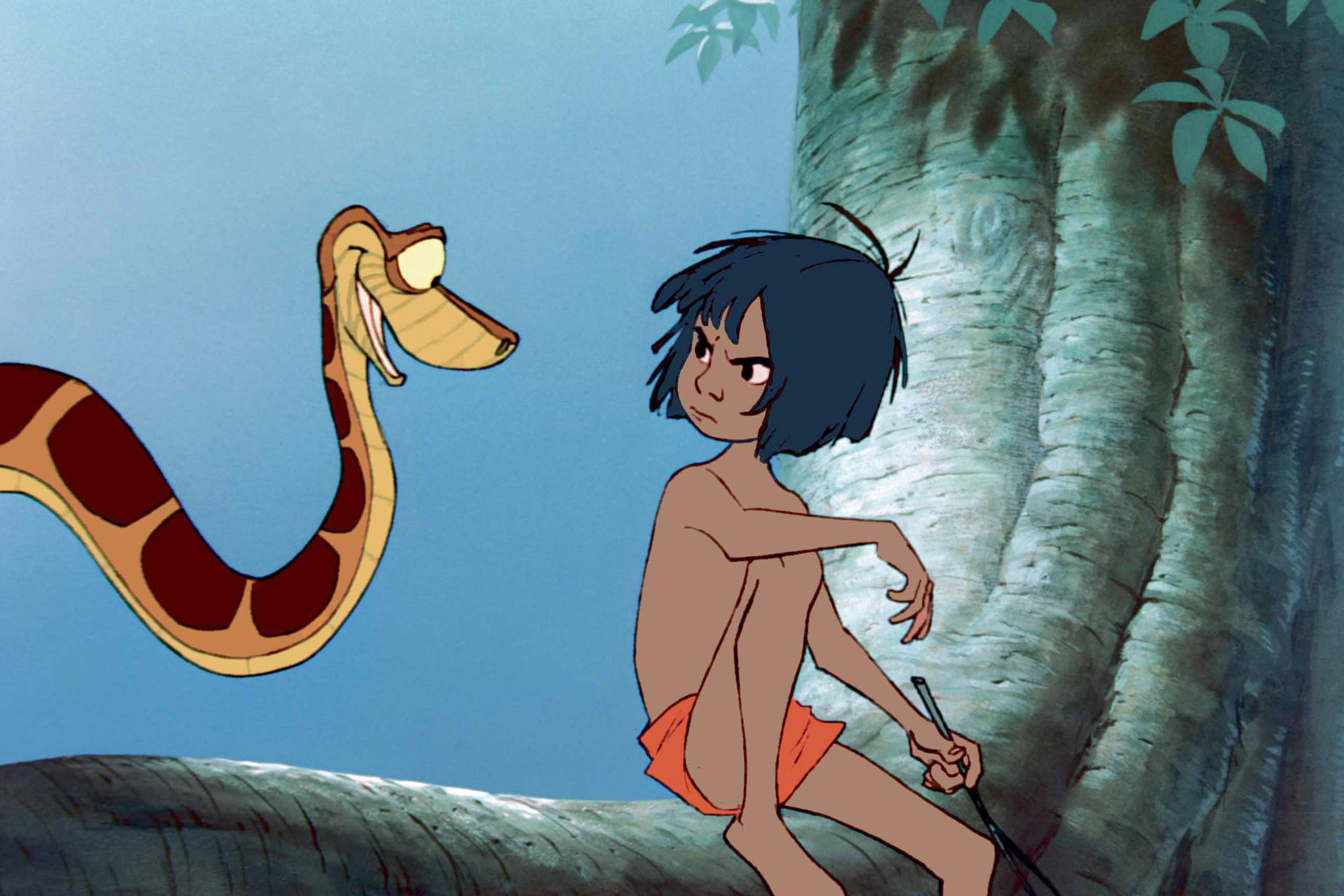
But Disney wouldn’t be Disney without something to be afraid of. That sense of unease comes in the scenes with Kaa, the massive python who tries to hunt Mowgli. The snake uses hypnosis, silently coils around the boy, deceives and manipulates him. He serves the same role as the false friend—much like the Cheshire Cat in Alice in Wonderland. Walt Disney understood that cinema is a powerful pedagogical tool. No, you can’t count on selfless help at every turn. A little distrust is necessary. Sometimes it’s the only thing that keeps you alive.
Like many of Disney’s older animated films, The Jungle Book may raise some controversy—especially regarding the ending, which suggests too much and carries a somewhat inappropriate, ambiguous undertone. This is particularly striking given that the main character is a ten-year-old boy.
In the final scene, Mowgli and his two companions reach the human village. Hiding behind the bushes, they watch a girl Mowgli’s age as she goes to the river to fetch water. She immediately captures Mowgli’s attention. Instinctively, he moves toward her. The girl notices him and, clearly pleased, drops her jug. As intended, Mowgli picks it up and blindly follows her sensual walk and alluring gaze. Many parents might be taken aback by such a bold, borderline-tasteful finale.

