
Review
SILENT TWINS. Inseparable, indissoluble, identical
Silent Twins operates on several generic and stylistic levels. Horror sits alongside psychological analysis; animation corresponds with a coming-of-age story.


In Silent Twins, there are good, loving parents. A pleasant, well-kept home. Two sisters—June and Jennifer—have everything they need to rise even higher, to achieve success. And yet something happened, and they entered into a pact of silence: Together forever in silence. Between them, sparks fly—an unceasing exchange of thoughts, sensations, and experiences. Singing and dancing together. But the moment anyone from the outside appears, they will not utter a single word. Heads bowed, withdrawn posture. Every question, every request bounces off them like a wall. The parents grow increasingly frightened, school psychologists are helpless, psychiatrists throw up their hands. Silence, lack of contact. The sisters’ world and the outside world seem to have no chance of ever meeting.
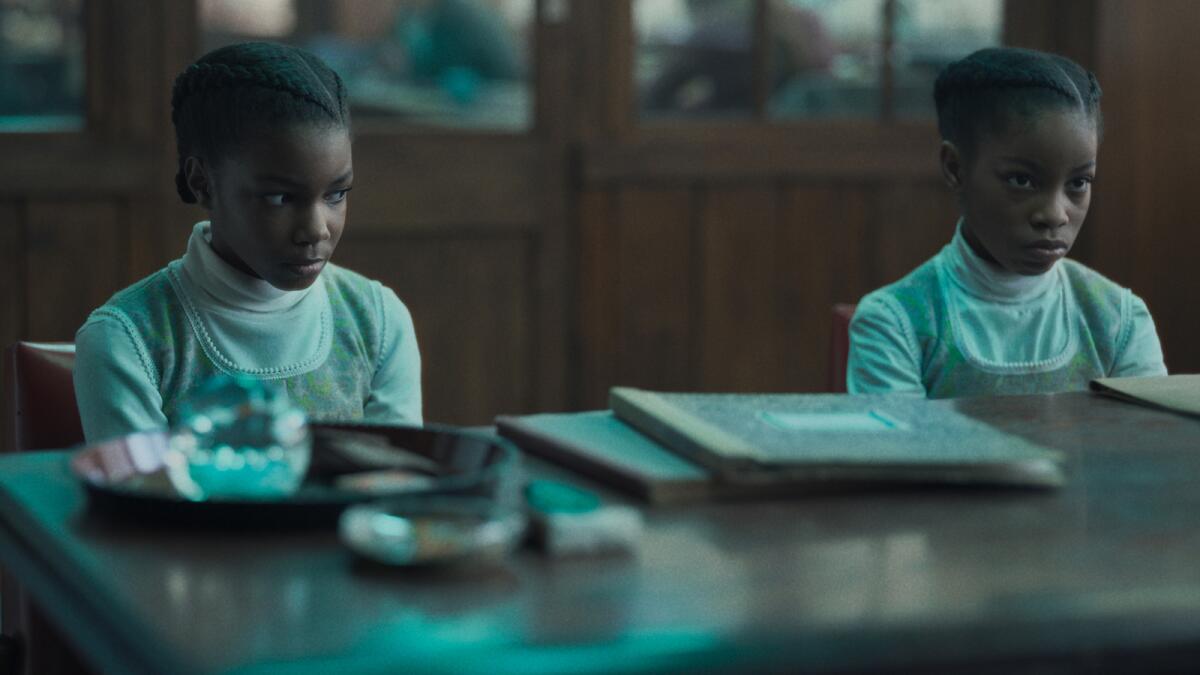
Especially the first act of the English-language debut by Agnieszka Smoczyńska carries something of a horror film. Silent children—marked by an unspecified trauma, bound by a secret pact, shrouded in an unrevealed mystery—are a trope that returns to this genre all too often. The visual design and narrative clichés work toward this as well: a fog-shrouded Welsh town, gloomy school corridors, medical consultations offering no hope. The sisters’ room is their refuge, their chamber. Behind closed doors they are energetic dreamers; everywhere else, stiff wax figures.
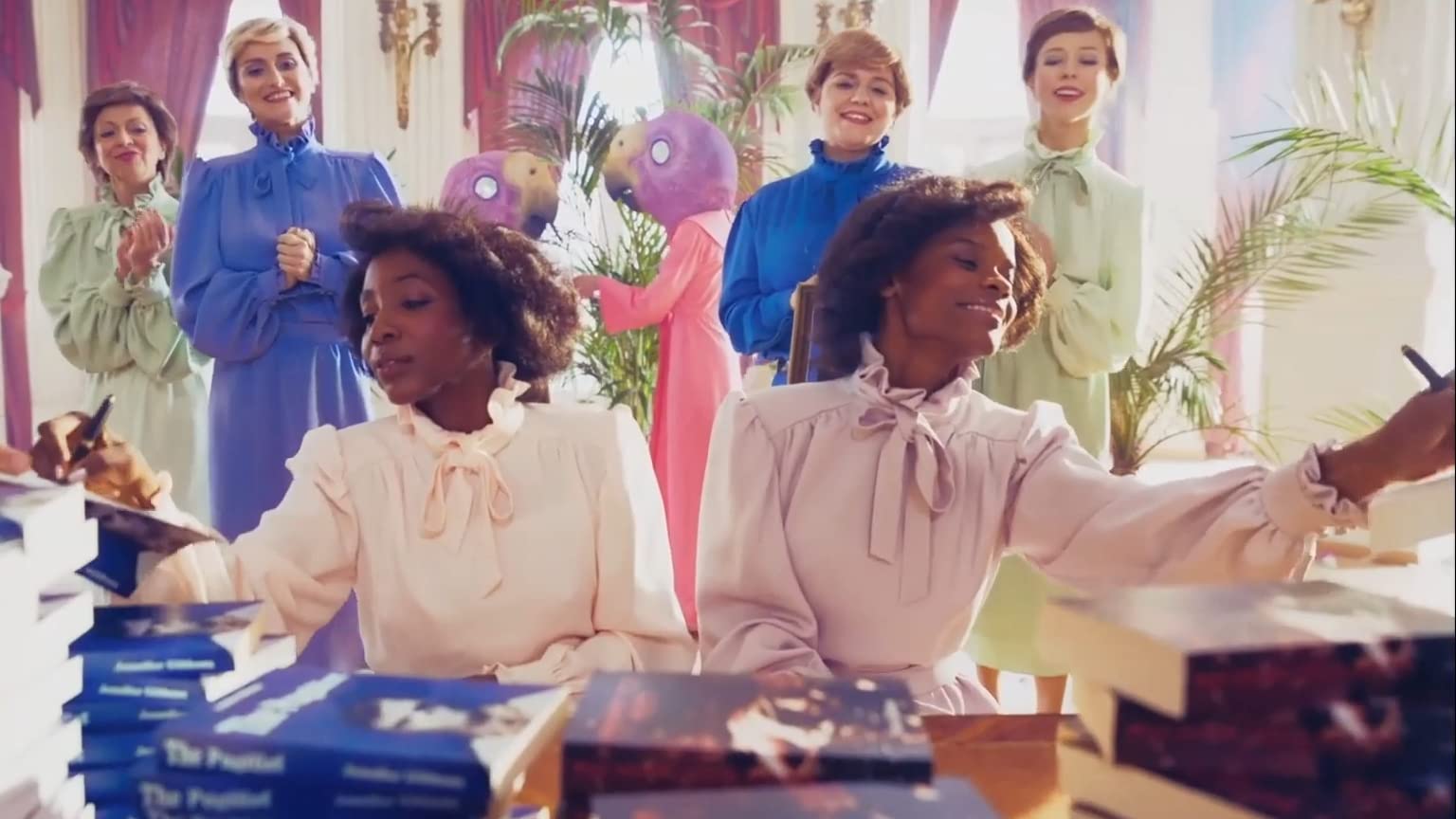
At the same time, Silent Twins contains nothing generic. The trappings of horror cinema are, for Smoczyńska, just one of several points of view—never a dominant interpretive key. If considered merely as a stylistic exercise, it is executed with top marks.
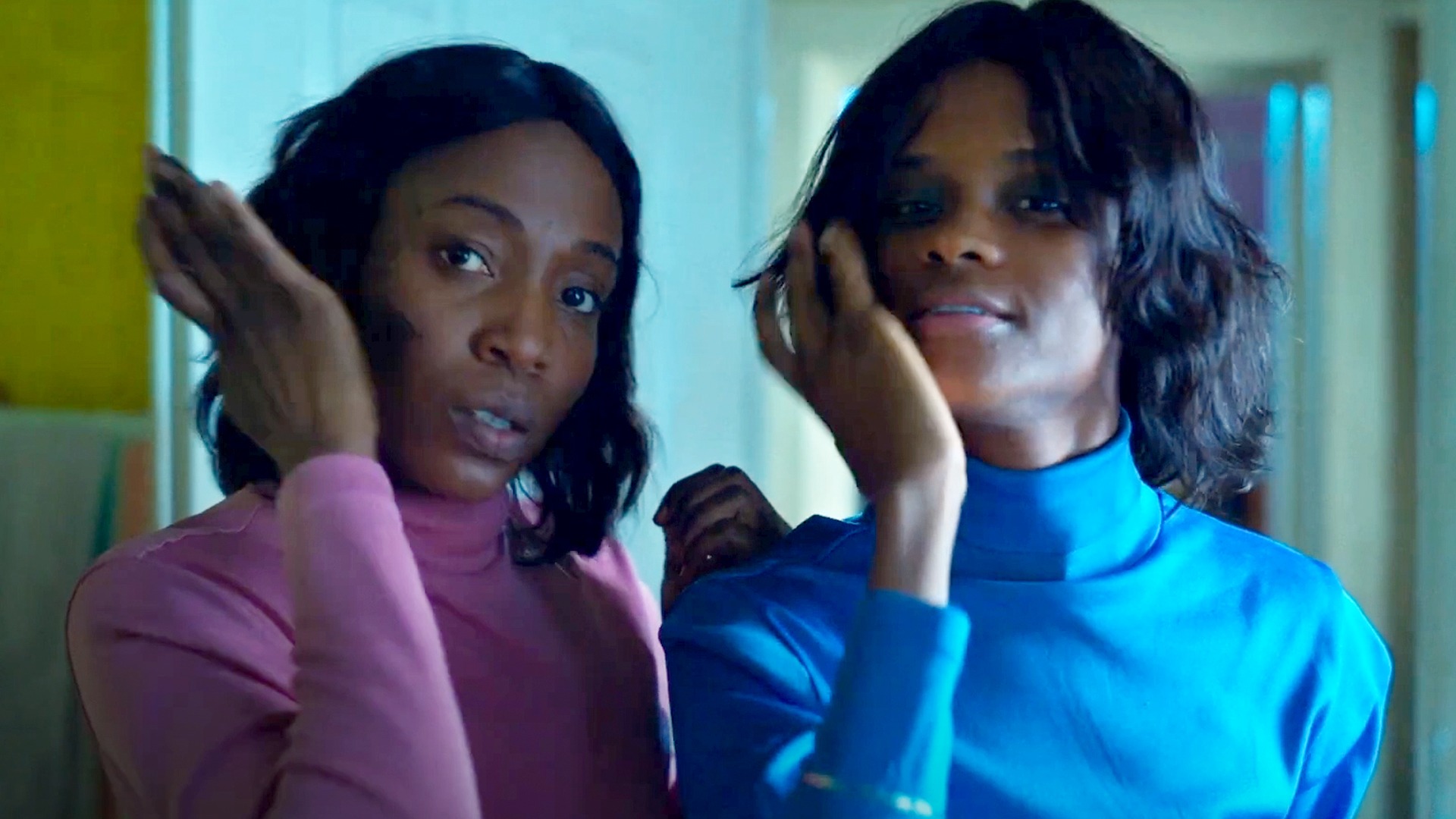
Inseparable, indissoluble, identical—mirror images. The opening passages of Silent Twins present a picture of absolute, indestructible unity. With time, as adulthood arrives, cracks begin to appear in the sisterly bond. Jealousy, shame, anger—feelings that are hard to share. Both dream of a literary career, but only one will be noticed. The first “I hate you” is spoken. Both long for their first romantic rapture (of course, directed at the same candidate), but one sister must take precedence. “I hate you” is spoken a second time. Always together, yet from time to time apart. Boundlessly loving, disappointed, lonely.
The factual plane, the imagined plane. Smoczyńska regularly invites us into an animated space of the girls’ dreams and visions. Weddings to a prince, a huge career, the scent of flowers, rays of the sun. These images trivialize reality—naïve visions foretelling a bright future and success—yet they are laced with unease and fear. Fairy-tale colors, talking animals, but the overall tone is far closer to the dark Coraline and its mysterious door than to Bob the Builder. Expectation, as usual, turns out to be disappointment. Dreams have no chance to come true, and desires and optimism are shattered in confrontation with reality—especially since June and Jennifer do much to ensure they are not accepted by it.
Silent Twins operates on several generic and stylistic levels. Horror sits alongside psychological analysis; animation corresponds with a subversive coming-of-age story; fragments of cinematic sensation are complemented by courtroom hearings. We come to know the sisters on multiple planes. Their portraits are multidimensional and exhaustive, yet we are never given a single, unequivocal answer. We will never know the full truth about them. Outside the room there is a pose and a refusal. Inside the room the conditions seem too favorable, too comfortable—this, too, is a kind of construction and falsehood. In their imagination they can land on Mars; let’s not take that literally.
Life cannot be fully transcribed onto the pages of a book, because it is about far more than words alone. Crumbs of truth here, crumbs of sincerity there. What matters most always remains incomplete, hidden, unsaid. A secret often turns out to be a hallmark of quality cinema.

