
Review
PLURIBUS. A Lonely Kim Wexler [REVIEW, Season 1]
It’s already safe to say that Pluribus starring Rhea Seehorn is one of the most intriguing television premieres of recent years.


It would hardly be an exaggeration to say that Pluribus was one of the most hotly anticipated TV series of recent years. At the helm is Vince Gilligan, the creator of the outstanding Breaking Bad and the even better Better Call Saul. In the lead role we have Rhea Seehorn, unforgettable as Kim Wexler from the latter show. Add to that the enigmatic plot descriptions and a deliberately uninformative promotional campaign, and it was hard not to get excited.
Anyone who followed the adventures of Walter White and Jimmy McGill will feel at home from the very first frames. Gilligan once again sets the story in Albuquerque, New Mexico, where Carol Sturka (Seehorn), a bestselling fantasy romance author, lives. Her quiet life alongside her wife, Helen (Miriam Shor), is shattered by a sudden invasion of an alien virus that transforms almost all of humanity into a hive mind gripped by permanent happiness. Carol turns out to be one of twelve people immune to the virus—but she knows that the infected will eventually find a way to absorb her into their ranks.
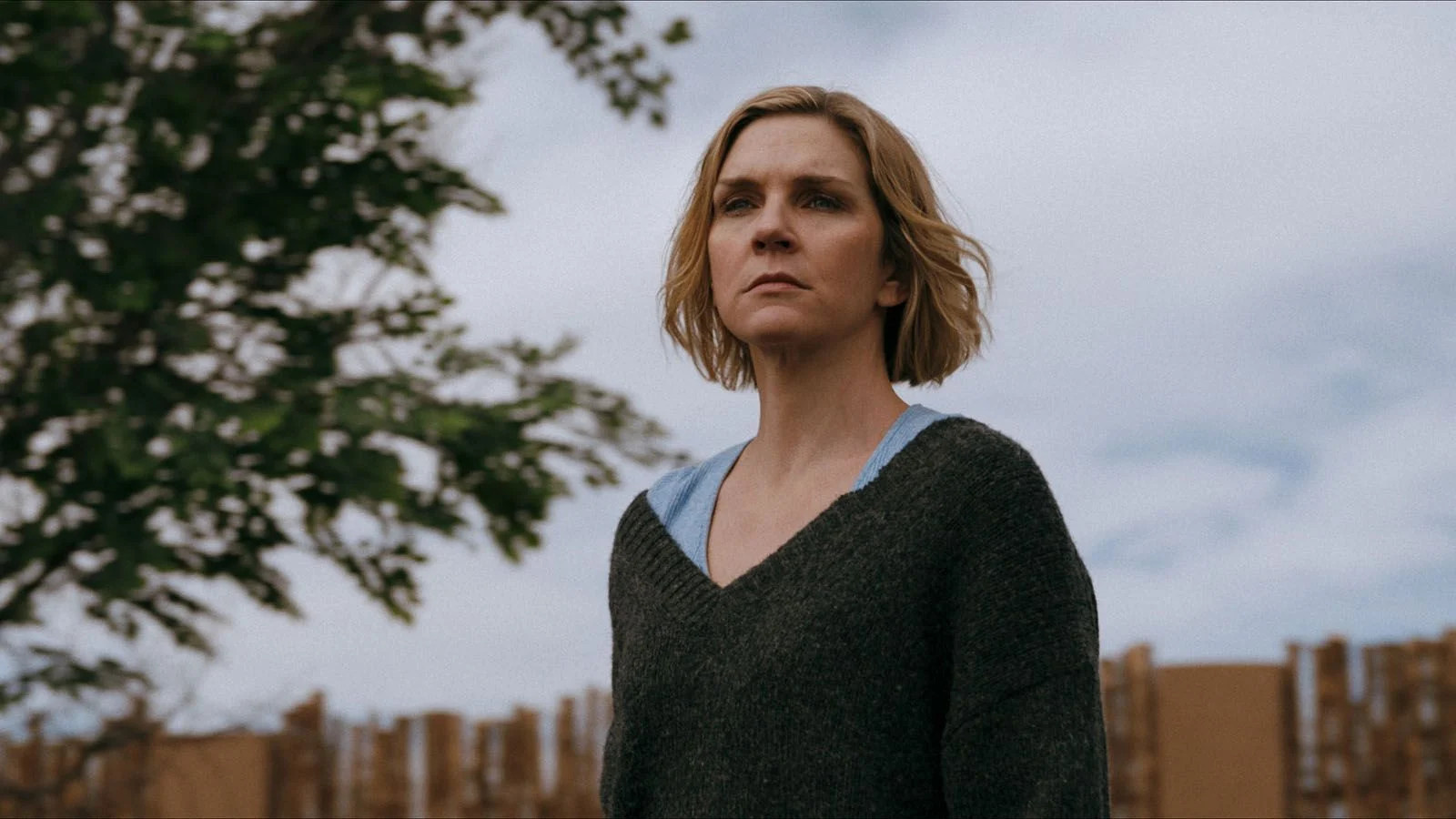
With a premise straight out of Invasion of the Body Snatchers, Gilligan tells the story in his own unmistakable style. After a relatively dynamic first episode, the pace slows considerably, giving us the chance—along with Carol—to fully experience the new reality. The entire series is a masterclass in visual storytelling: even the smallest detail says something about the protagonist or the world she inhabits. Under these conditions, Rhea Seehorn has ample room to fully showcase her acting prowess. Her Carol, hiding frustration behind a stone face and always armed with a sharp retort, is the perfect sparring partner for the infected, whose sole goal—by their own account—is the happiness and prosperity of humankind.
With a single look, Seehorn can convey all of her character’s anger, confusion, and loneliness. And while Carol isn’t always easy to like, it’s impossible not to root for her as she engages in successive debates with the infected or tries to convince the remaining survivors of the gravity of the situation. A deft counterpoint to Seehorn is Karolina Wydra as Zosia, one of the infected who assumes the role of Carol’s “guardian angel.” It is largely through this character that we learn the motivations and methods of the alien virus, and Wydra manages to evoke our sympathy, trust, and unease all at once.
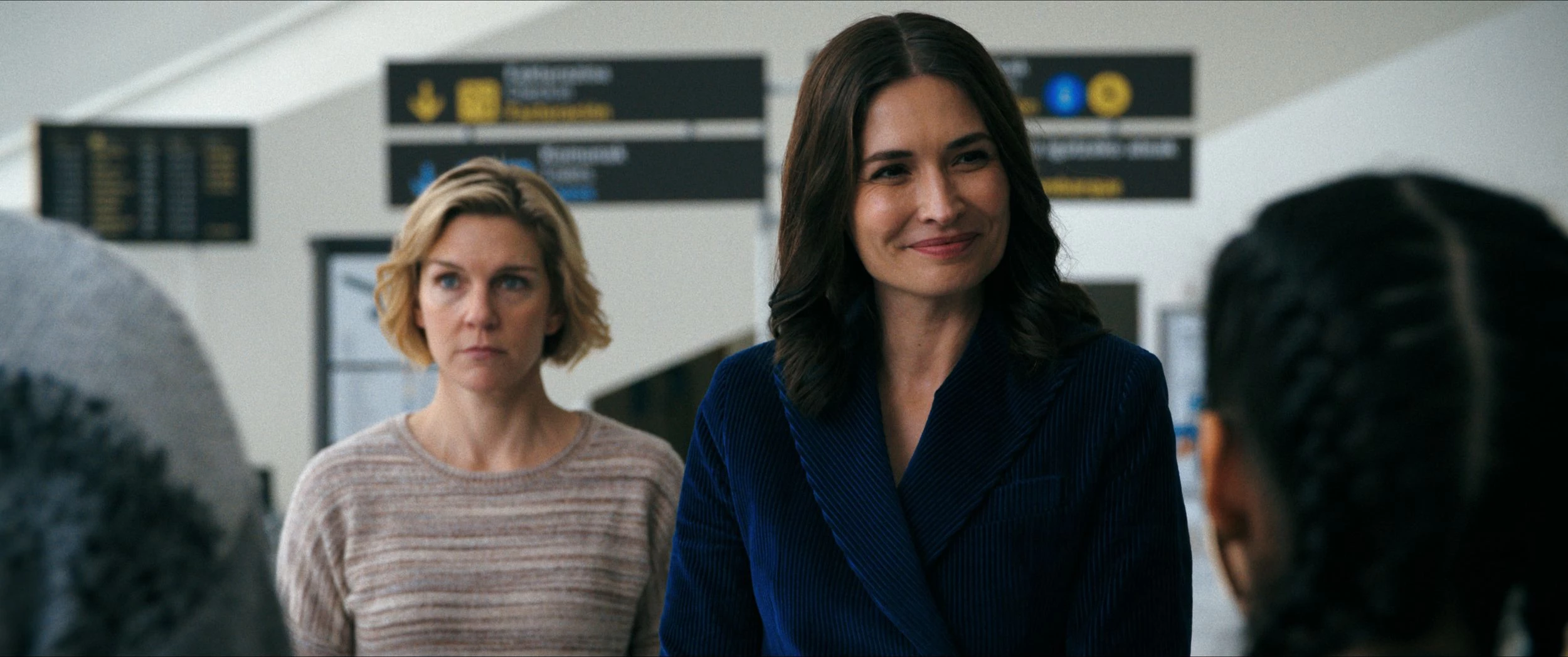
Gilligan consistently emphasizes the ambivalent nature of the events on screen. We know, of course, that our sympathy lies from the outset with Carol, fighting to restore the world to its former state. But the other survivors are also given their moment in the spotlight—many of whom are in no hurry to fix the world. Some exploit the infected, who eagerly fulfill every whim, to realize their wildest fantasies; others cannot come to terms with the fact that their loved ones are no longer the same people they once were. Carol’s only apparent ally is Manousos (Carlos-Manuel Vesga), who refuses contact with both survivors and the infected alike.
When, after an entire season of anticipation, the two characters finally meet, Gilligan complicates matters. Instead of joint planning for future seasons, we are presented with a clash of attitudes: Manousos wants to restore the status quo by any means necessary, while Carol—after months of overwhelming loneliness and futile attempts to stop the virus—simply tries to put her life back together.
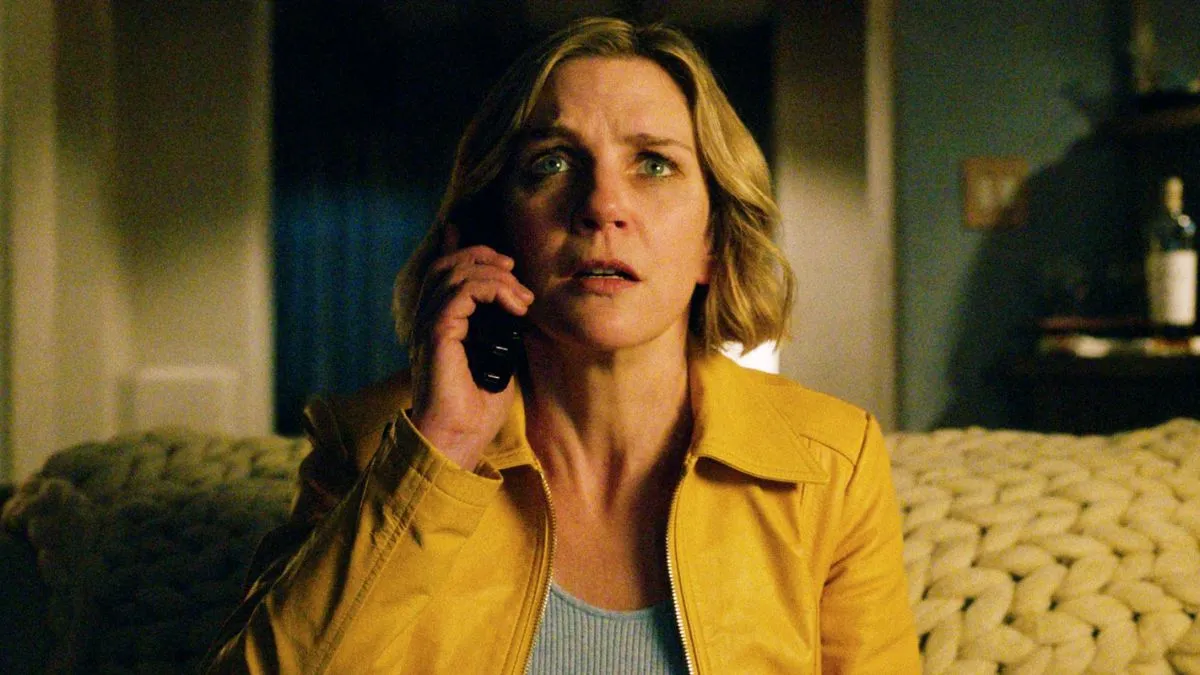
Judging by some of the comments, the show’s pace proved too slow for part of the audience. For me, however, this apparent “lack of action” is one of its greatest strengths. Gilligan sharpens our attention to the tiniest elements of the depicted world, conveys tons of information without dialogue, and makes excellent use of visual humor (I didn’t expect that an image of a drone getting tangled in a streetlamp would be one of the funniest things I’d see this year). This is most evident in episode seven, which shows Carol’s existence in an abandoned city and Manousos’s solitary journey from Paraguay to New Mexico. The creators wring maximum humor, suspense, and emotion from the simplest images—setting off fireworks in the middle of a deserted street or hacking one’s way through the jungle.
There’s no denying that after nine episodes we are still dealing with little more than an extended prologue. Even so, it’s already safe to say that Pluribus is one of the most intriguing television premieres of recent years. Gilligan’s series fits neatly into the broader discourse on artificial intelligence (each episode, incidentally, ends with the title card: “This series was created by humans”), and it also evokes memories of the lockdown period—without lapsing into cheap commentary. Even if future seasons maintain the same unhurried pace, I’ll be more than happy to return to this world.

