
Review
PATRIA. Is it Worth Sacrificing Everything for Freedom?
Patria is a shocking study of nationalist hatred leading to the annihilation of social life. HBO once again provides well-executed entertainment.

In a civil war there is no place for passive observers. Whoever is not with the revolutionaries is against them. The creators of the series Patria, whose eight episodes can be watched on the HBO platform, aptly remind us of this.
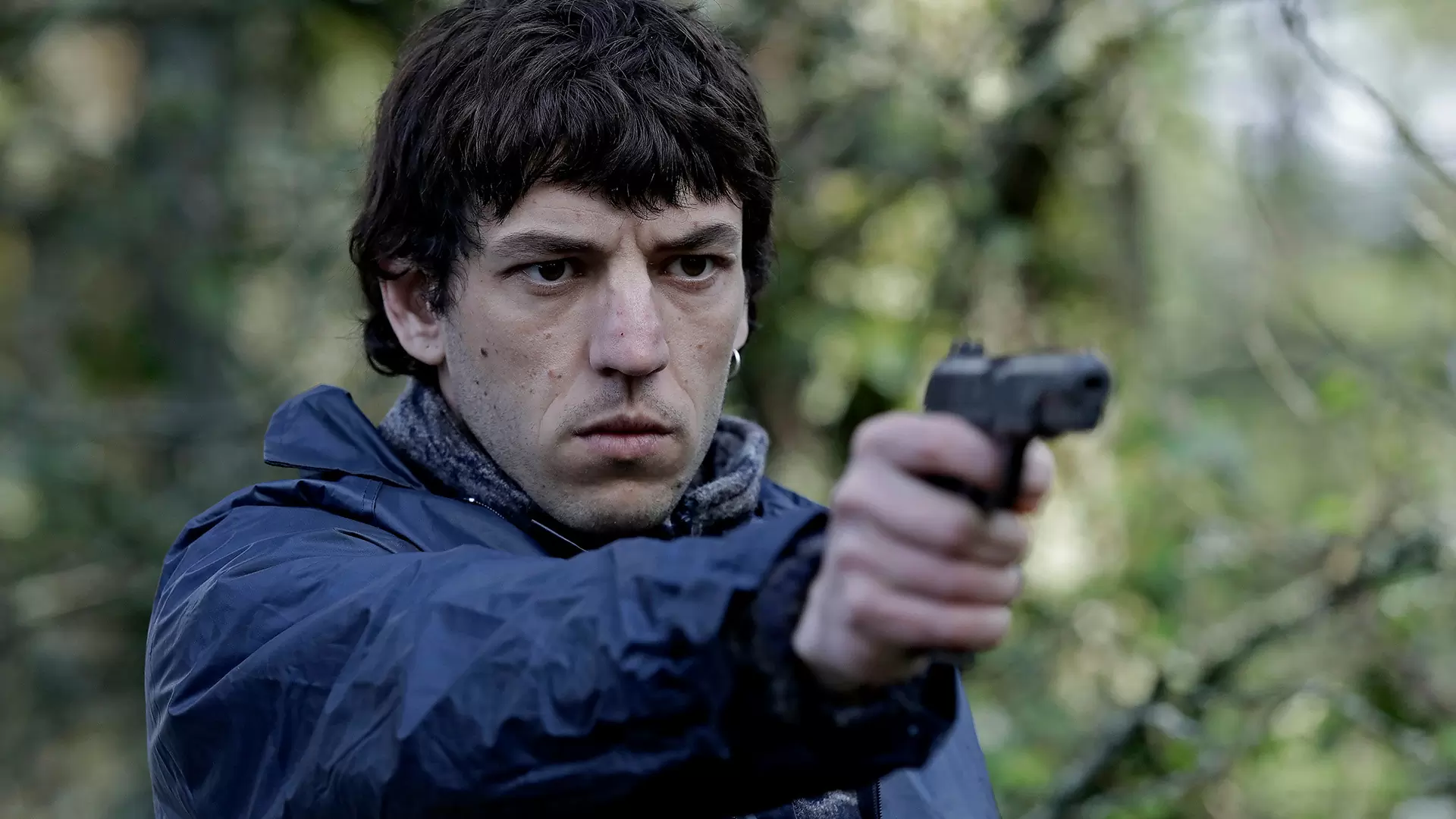
The Spanish production by Aitor Gabilondo, based on the novel by Fernando Aramburu, is a polyphonic tale about the tragic and disastrous struggle of the ETA organization members for the independence of the Basque Country. Over the course of successive hour-long episodes, the screenwriters attempt to present from different perspectives the attitude of the local population towards the actions taken by young fighters.
From active participation, through sympathizing, to contempt and a sense of being deceived – attitudes toward the revolutionaries span distant poles.
Yet they are not meant only for private conversations, for from these attitudes will depend how the fates of individual characters will unfold.
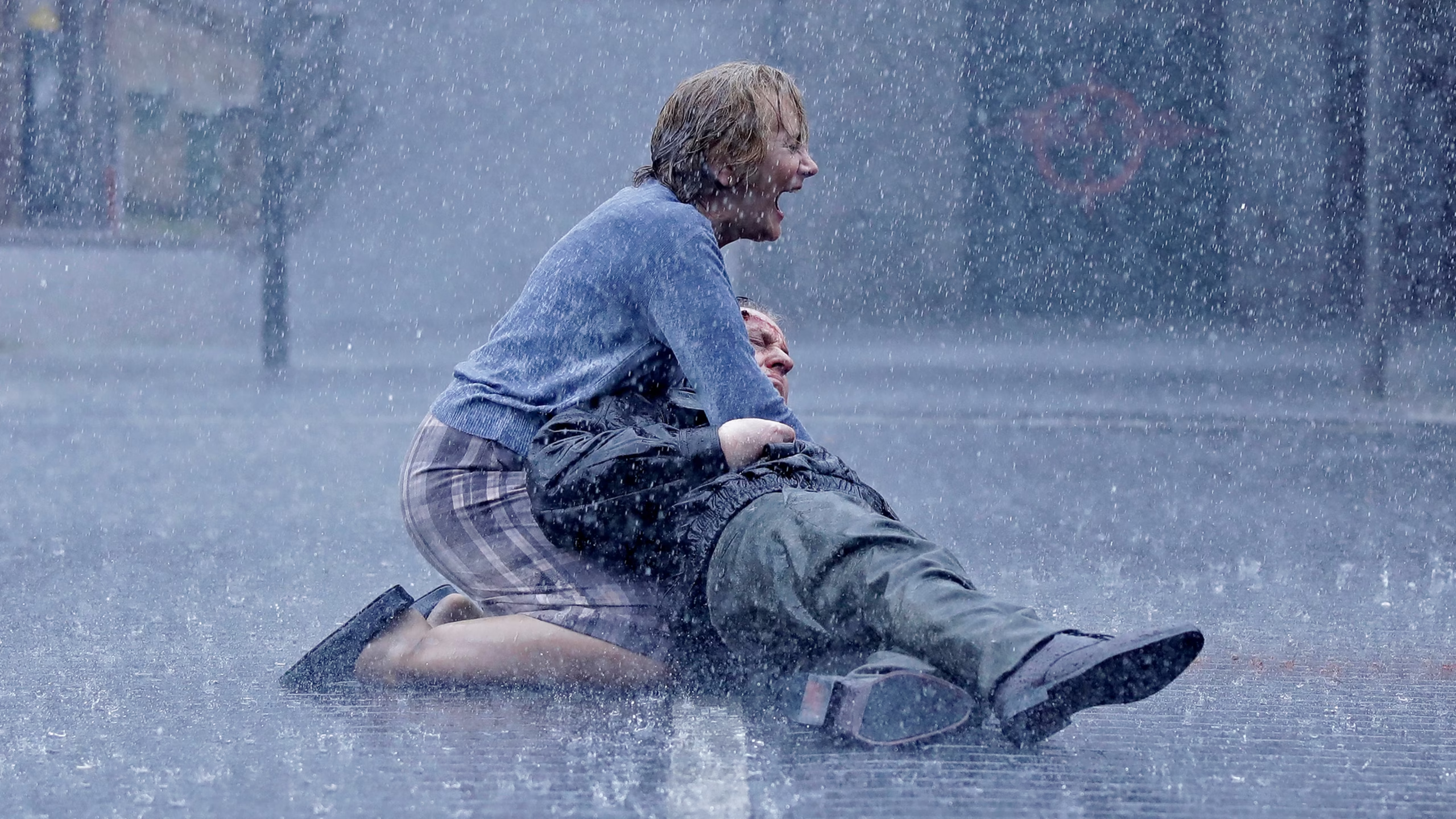
On the level of the plot, everything begins with the murder of Txato (Jose Ramon Soroiz). A husband, father, entrepreneur steps outside his house, a few shots are fired, the screech of tires from a departing car is heard, and that is the end. Only the sound of raindrops hitting the concrete remains, and then the scream of the desperate Bittori (Lena Irureta), who runs out of the house toward the lying body.
Why the man became the target of ETA members and how his death will affect the lives of his loved ones, viewers learn from a series of numerous flashbacks, as well as scenes from the distant future, when his wife tries to uncover the mystery that torments her. About twenty years after the tragedy, Bittori returns to the small town she once lived in, to face the demons of the past, learn the circumstances of Txato’s murder, and find inner peace, as she feels beneath the surface that her days are numbered as well.

One immediately senses a certain similarity between the Spanish series and the Israeli Our Boys.
Both titles are connected by showing social conflicts not from the perspective of leading representatives of opposing sides of the political barricade, but of ordinary people entangled in disputes not always by their own choice. The Israeli proposal is better, more shocking, because it more thoroughly presents the Gordian knot that will probably never be cut; however, this does not mean that Aitor Gabilondo cannot show just as interestingly the troubles that the Basques had to struggle with for many years.
As Fionnualla Halligan rightly noted for the portal Screen Daily, in Patria audiences will rarely hear momentous speeches or ideological motivations behind the carried-out attacks on the enemies of Basque independence.
The screenwriters leave this sphere unsaid – either because they are opponents of the separatism under discussion, or on the contrary: out of reluctance to wade into political mire in exchange for focusing on the human dimension of the conflict.
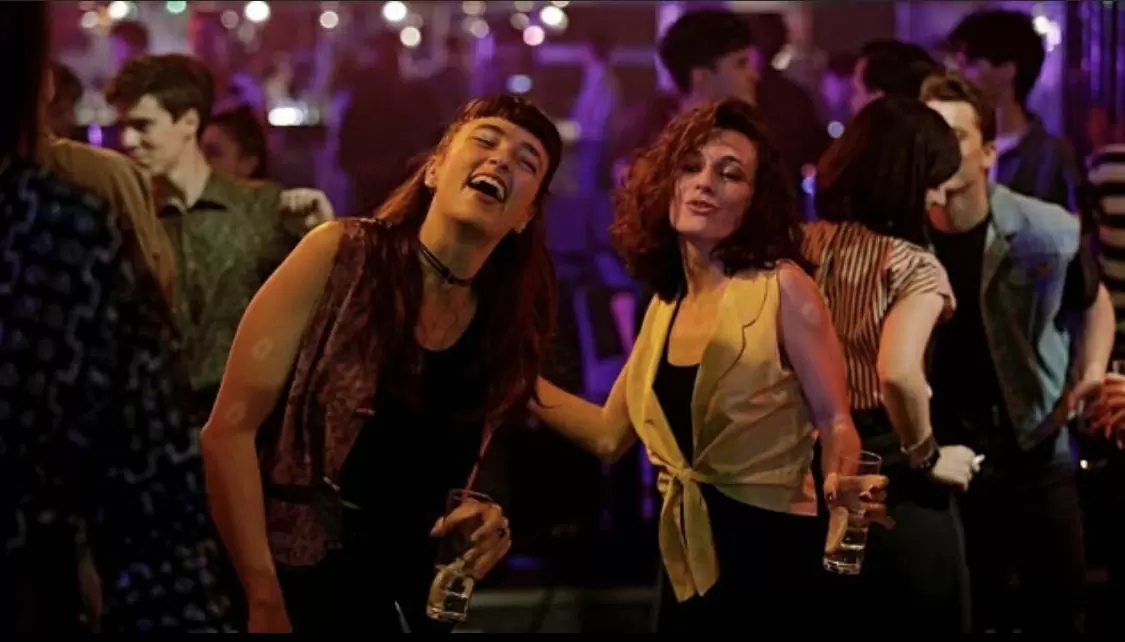
Either way, after watching the whole thing one is left with the impression that although the Basques encountered police aggression controlled by Madrid dignitaries, on the other hand those reactions were provoked by their (the Basques’) subversive actions.
If someone is more familiar with the subject or, worse, emotionally involved in that conflict, they may certainly feel deceived that Gabilondo et consortes approached the political conditions of the described disputes with such lightness.
What is important, Patria works best on the social plane, especially in the context of the fate of Bittori and her best friend/greatest enemy Miren (Ane Gabarain), the mother of Txato’s alleged murderer. The women first spend a great deal of time together, only to later be divided for political reasons.
The decidedly best fragments of the series are those concerning their vicissitudes, determination, stubbornness, struggle at all costs for the good of the family.
Incidentally, it is worth adding that in contemporary culture there rarely appear heroines or heroes who are both old and strong. Usually, the twilight of life is inextricably linked with the loss of strength, settling accounts with the past, and waiting for the end. Meanwhile, in Patria old age is not synonymous with defeat, but with experience and the will to fight. The creators deserve credit for disenchanting this period of human existence and introducing a new kind of character into the television universe.
Unfortunately, their children are portrayed worse. A gay intellectual and a lonely woman who seeks oblivion in sex are such stereotypical types of protagonists that one can accurately assume in advance how their fates will turn out.
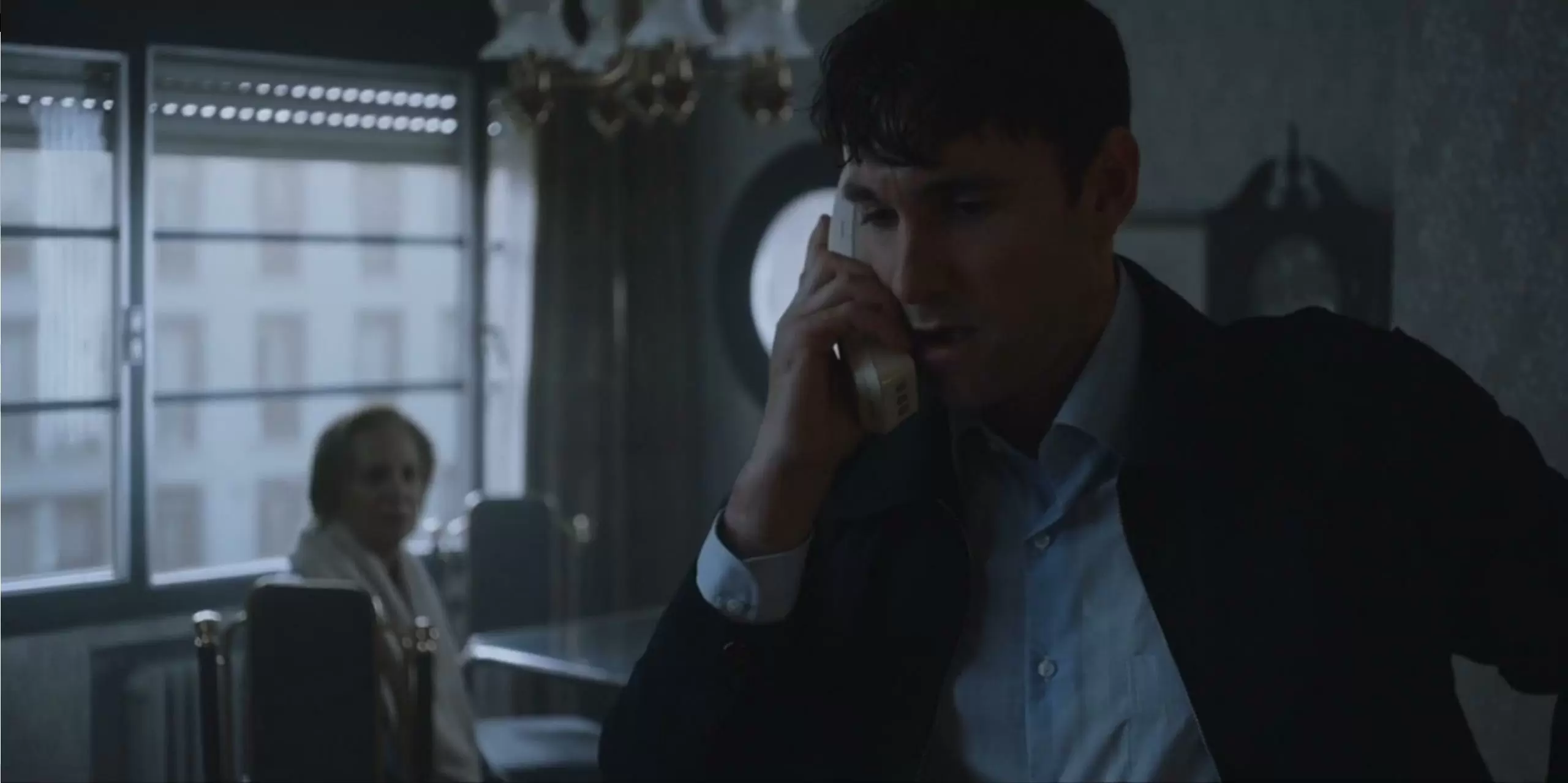
The Spanish Patria is a shocking, though somewhat repetitive, study of nationalist hatred leading to the annihilation of social life. It is the kind of work from which one must necessarily draw conclusions about the stupefying power of politics and the purifying power of forgiveness. But, what is important, apart from didacticism HBO once again provides well-executed entertainment.

