
Review
GEORGE THE HEDGEHOG. Polish Animation for Adults
George the Hedgehog is fun… It tries to juggle satire and slapstick and aims to be both sharp satire and screwball comedy.


Despite Poland’s rich legacy in animation—iconic children’s characters like Bolek and Lolek, Reksio, and Koziołek Matołek, and Oscar-nominated shorts like The Cathedral or Peter & the Wolf—the phrase “Polish animated film” still feels oddly abstract. Look at the cinema landscape: yes, there’s no shortage of animated features, but they’re almost entirely imported from the U.
S. Now narrow it down to Polish adult animation—and things get even more unfamiliar. Apart from the crude, cult TV series Włatcy Móch (often described as a Polish South Park wannabe), the scene has been practically empty. That changed, however, with the theatrical release of George the Hedgehog (Jeż Jerzy)—a character well known to fans of Polish comic books.
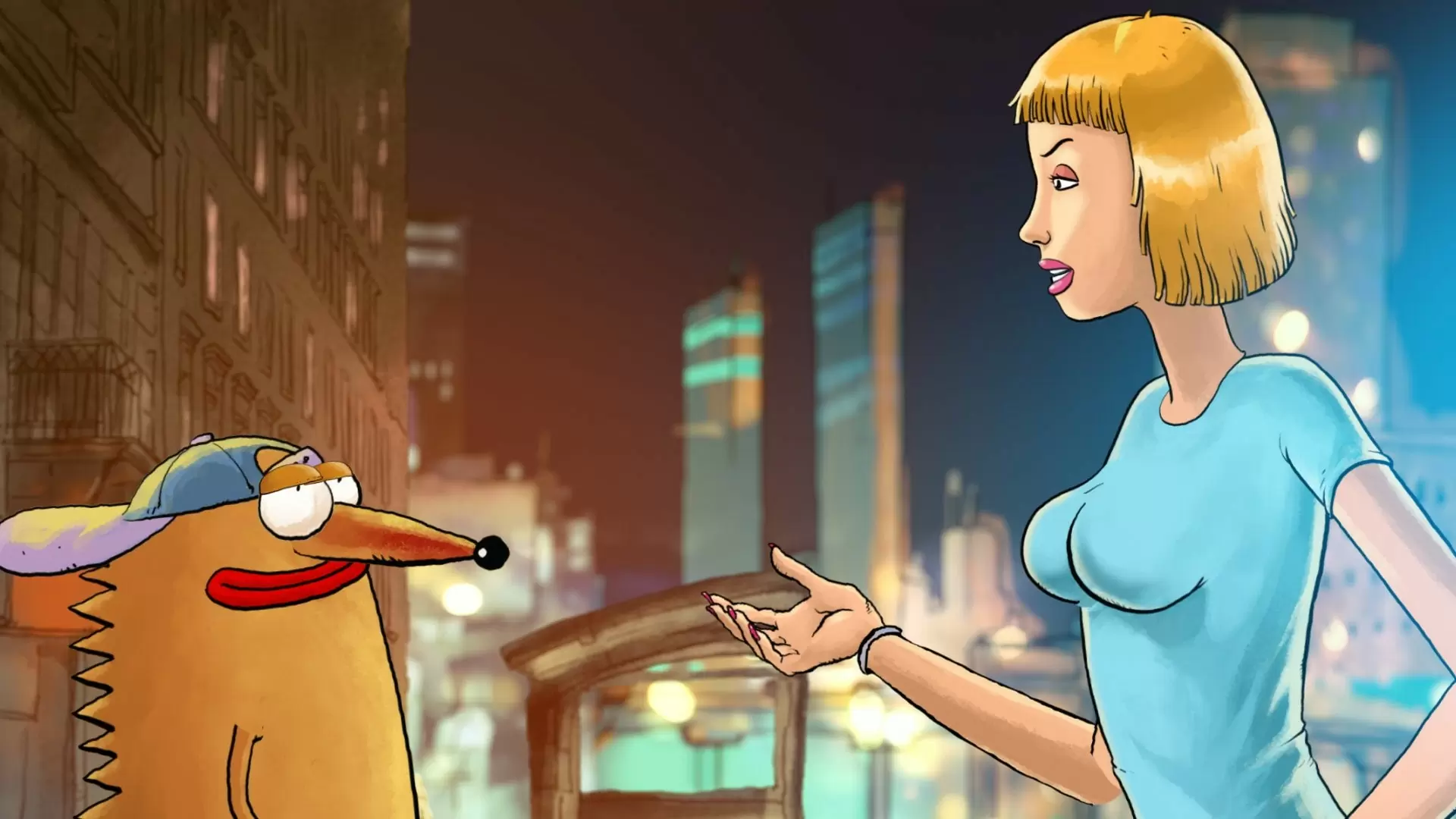
The question was: could he also make a lasting impression on moviegoers? George isn’t your average hedgehog. While his woodland cousins poke around forests with apples stuck to their spines, George prefers skateboarding through the city in a purple cap, beer in hand. His days are spent clashing with a pair of dimwitted thugs and enjoying no-strings-attached sex with his girlfriend Yola. This idyllic lifestyle is upended when a mad scientist uses George’s DNA to create the perfect celebrity—a clone who quickly replaces him in society and becomes a media sensation adored by millions of Poles.
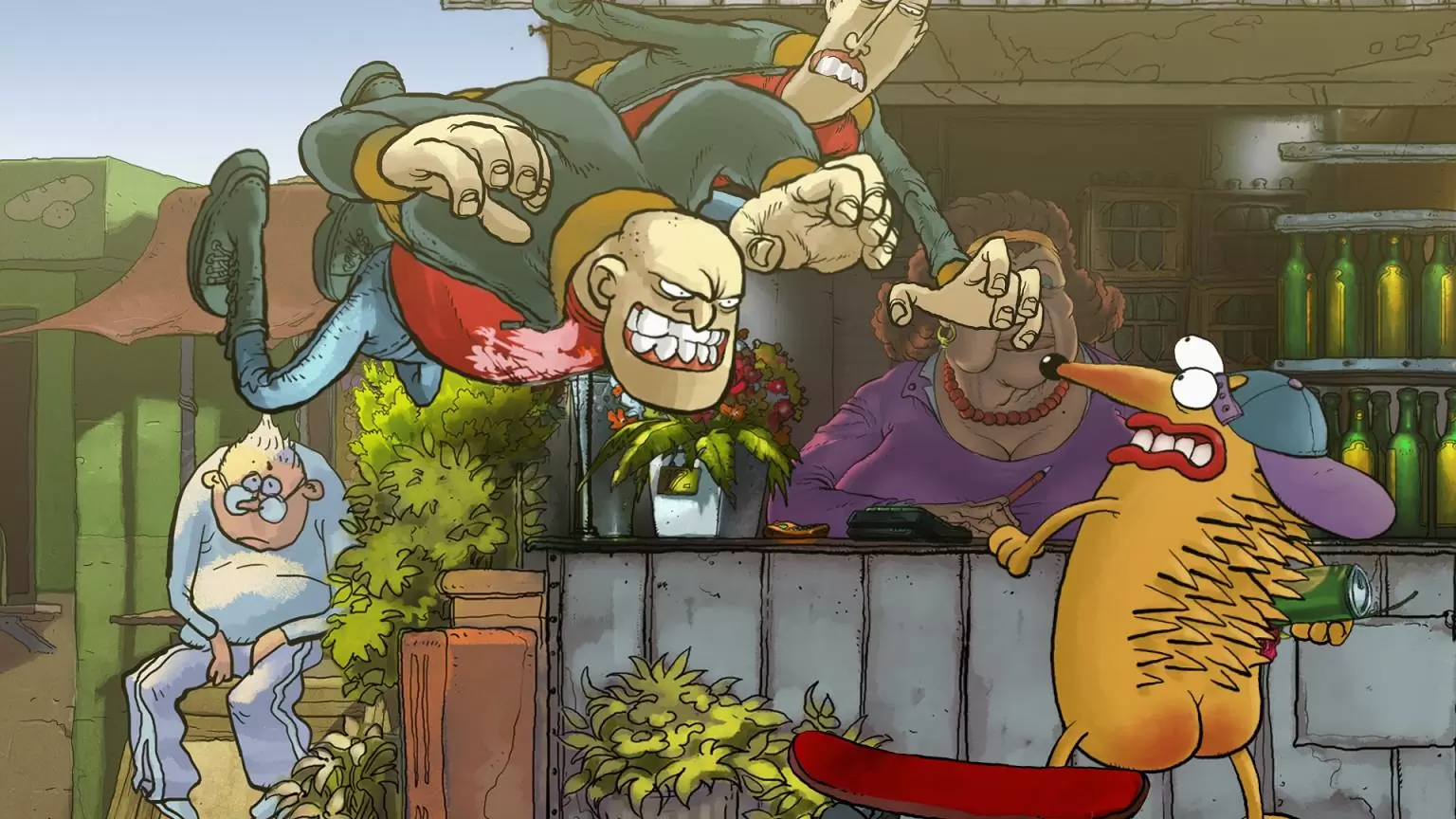
The film aims to be both sharp satire and screwball comedy—and the results are mixed. Based on the comic In Vitro, the film has great potential as a satire of Polish society. The public’s love for the clone—whose biggest talents include farting and shouting “Yo, mofos!”—is a biting commentary on Polish taste and obsession with trash culture. Everything’s here: critics obsessed with elite art no one understands, shady politicians manipulating votes, true-crime prison interviews, even viral YouTube fame. Unfortunately, the film’s long production timeline is noticeable—some of the jokes (like jabs at conservative Catholic “mohair berets”) feel stale by release.
Still, the humor mostly lands. There are genuinely clever gags, although the frequent crude humor—bodily fluids, swearing, over-the-top gross-out scenes—may be too much for some. Personally, I wasn’t offended, though the clone’s repeated fart and vomit gags definitely wore thin.
As for animation, it’s basic and not particularly eye-catching at first glance. Don’t expect Disney-level visuals. But the bold color palette, expressive lighting, and thick-lined comic book style serve the film well. Characters look like they’ve walked right off the comic page. The real standout is the voice acting. Borys Szyc nails George’s laid-back vibe, though it’s a shame his character doesn’t get more screen time for a film that bears his name.
Maria Peszek is decent as Yola (which, considering my general dislike of her as a performer—apologies to her fans—is high praise from me). But the true highlight is Maciej Maleńczuk, who voices Lilka, a prostitute with a heart of gold. His performance is delightfully unhinged and unforgettable. The supporting cast includes some Polish voice-acting royalty: Jarosław Boberek (as both thugs), rapper Sokół (of “W aucie” fame), Michał Koterski (from Day of the Wacko), and a handful of other surprisingly enjoyable cameos.
George the Hedgehog is fun… but mostly in comparison to other modern Polish comedies—an admittedly low bar. It tries to juggle satire and slapstick, but the balance doesn’t always work. The short runtime makes the film feel rushed, like the creators were scrambling to cram in as much as possible. Some scenes—particularly the hedgehog’s battles with his enemies—drag on unnecessarily, while others could have used more polish, especially the dialogue. The biggest issue? After the credits rolled, not much stuck with me beyond a few good laughs. Still, it’s worth a watch if only because a Polish comedy that makes you laugh even a few times is already a step above the usual cinematic disasters flooding the local box office.
Written by Piotr Gauza

