
Horror Movies
DOLLS: A Fairy Tale Horror Straight From the Brothers Grimm
Dolls has a less exploitative nature, offering viewers a horror that draws, both in atmosphere and in plot, on terror straight out of the fairy tales of the Brothers Grimm.

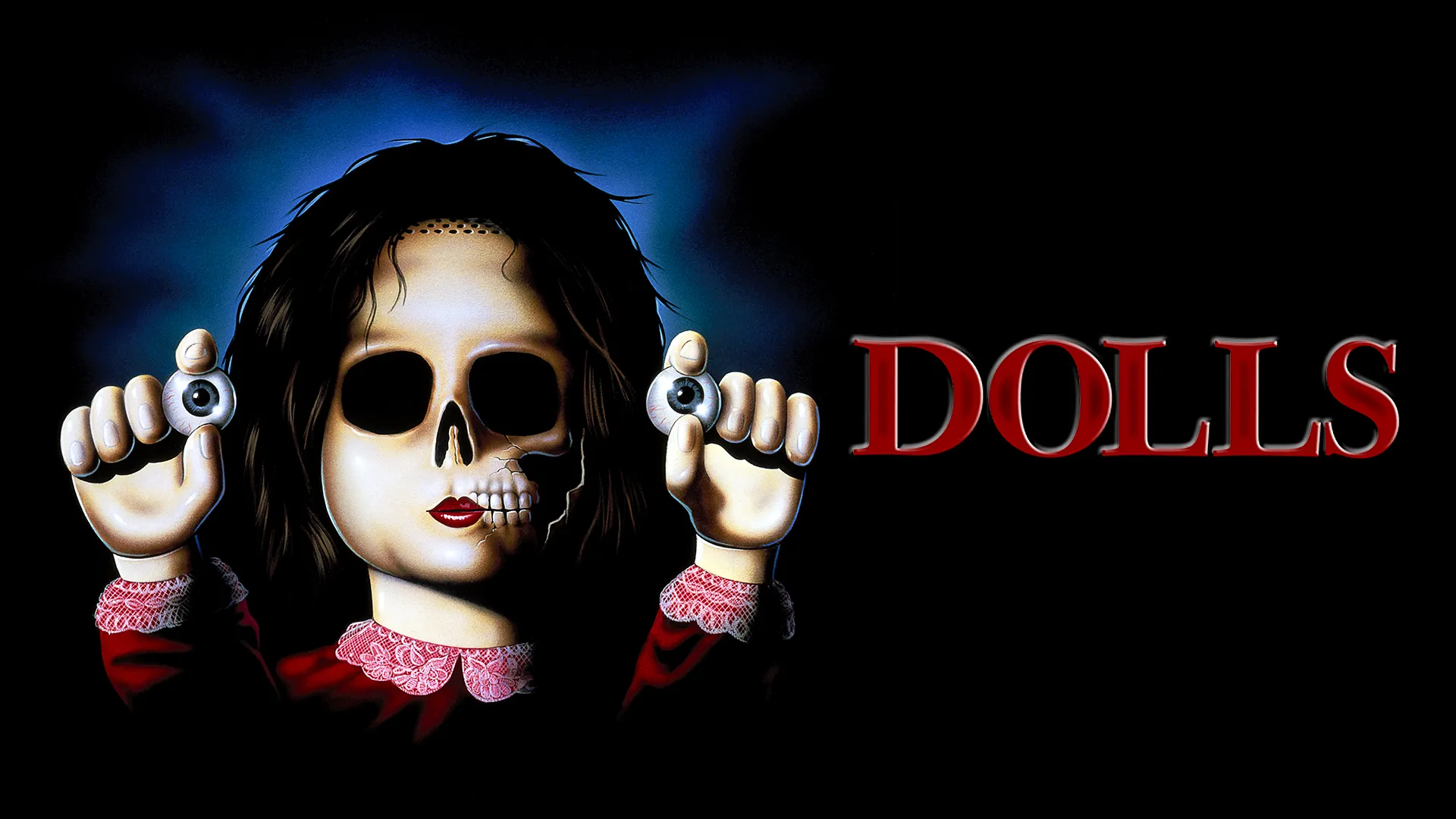
Chucky is returning to theaters, slightly refreshed visually, yet just as ruthless as in the original film. But Child’s Play is not the only premiere. One might say that a wonderful time has come for lovers of on-screen dolls, figurines, and all kinds of toys, although for Charles Band this time has been ongoing for over 40 years.
Starting in 1989, when the cult Puppet Master, produced and conceived by him, premiered, the series has continued unabated. In the meantime, Band, the founder of the studio Full Moon Features, specializing in B-movies that went straight to video and DVD, created a twin series, Demonic Toys, the futuristic Dollman, and even decided to direct horrors with highly telling titles – Blood Dolls, Doll Graveyard, or Devil Dolls. A glance at Band’s filmography suggests that the man simply likes dolls, especially the naughty ones.
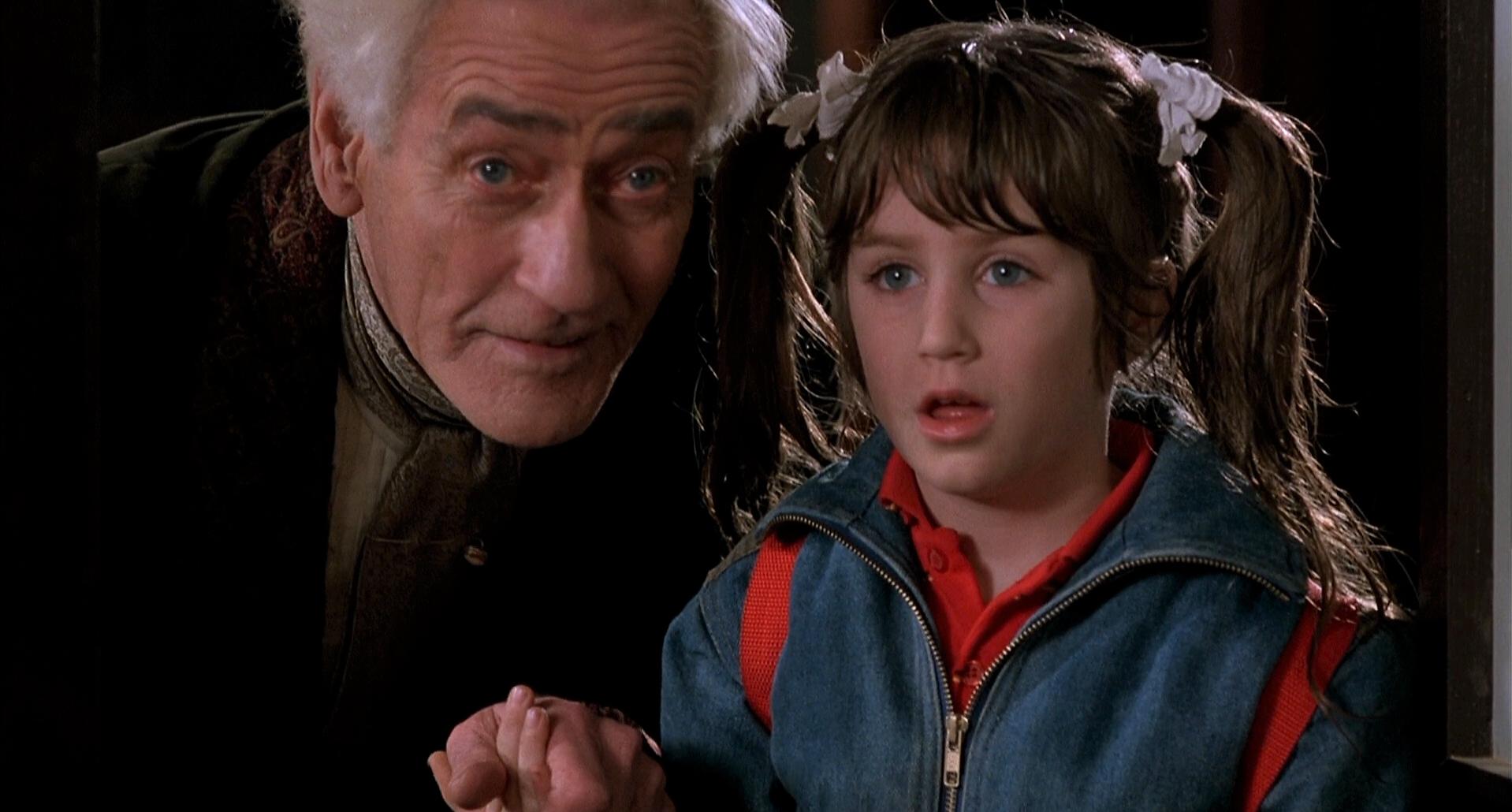
It is therefore no coincidence that even before Puppet Master was made, Band became involved in the production of a film with a similar premise. Dolls from 1986, however, has a less exploitative nature, offering viewers a horror that draws, both in atmosphere and in plot, on terror straight out of the fairy tales of the Brothers Grimm. Already in the first scene, the film’s main character, the several-year-old Judy (Carrie Lorraine), reads Hansel and Gretel, and a moment later the girl, together with her father and stepmother (!), ends up during a storm in an old, frightening house.
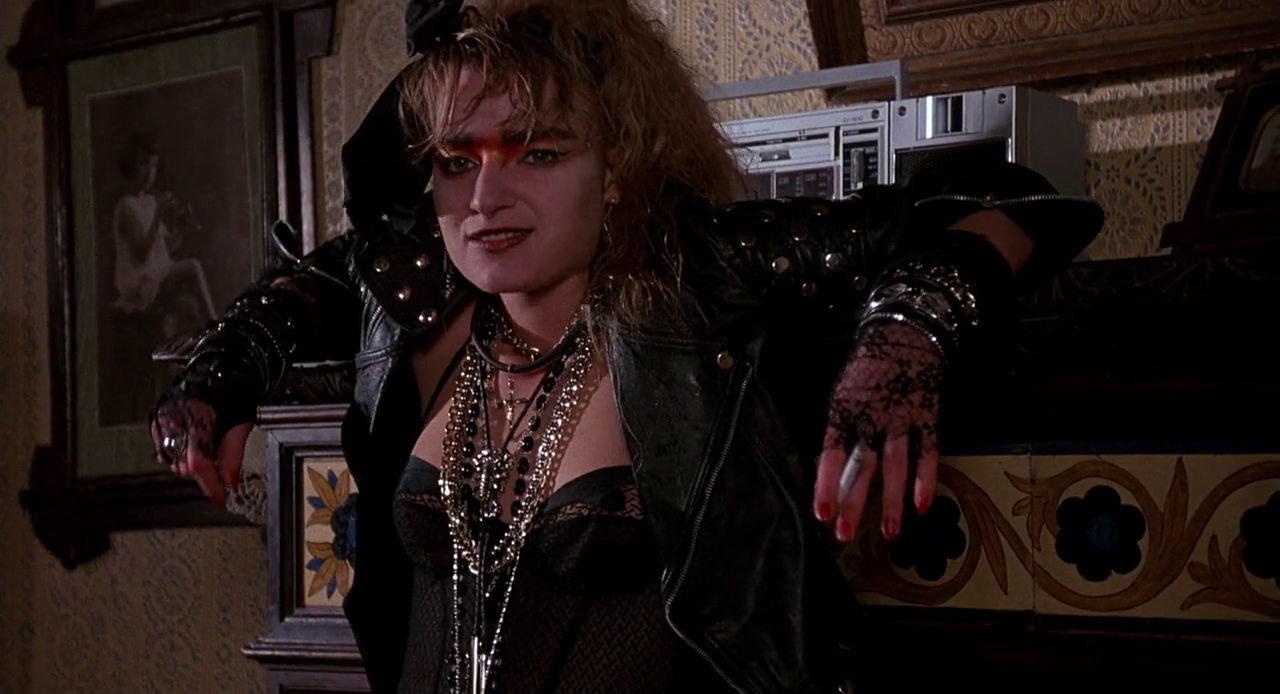
It is inhabited by a married couple of seemingly harmless, though eerily looking elderly people (Guy Rolfe and Hilary Mason), who offer shelter to the family, and soon also to two loudly dressed hitchhikers and a kind driver, Ralph (Stephen Lee).
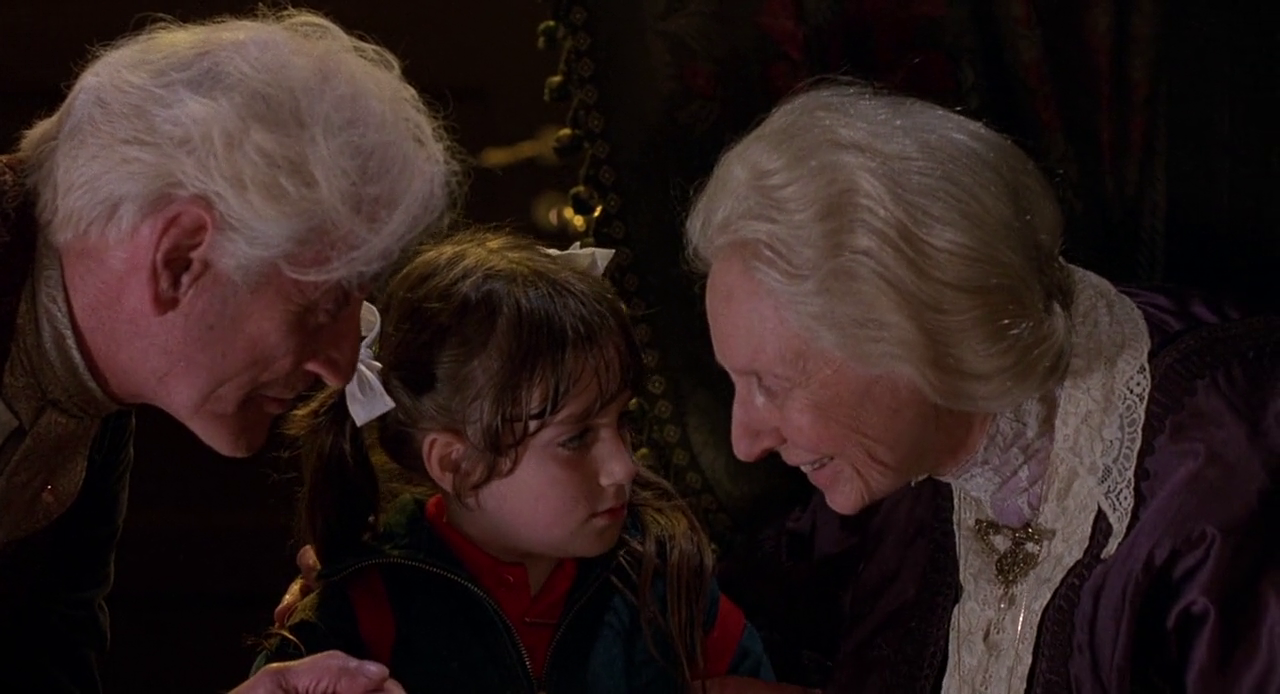
The starting point is almost identical to the classic The Old Dark House, although the screenplay of Dolls, unlike in James Whale’s film, turns the visitors into grotesque and evil people, while granting the residents of the house the right to their eccentricities, and even monstrosities.
Before we know it, it turns out that old Gabriel is a toymaker, and his creations are alive. Of course, the dolls do not advertise this, unless someone forces them to. When one of the hitchhikers tries to rob the house, she is quickly murdered by toys ten times smaller than her. This one event causes the dolls to begin their bloody march, killing those who deserve it. For what? Generally speaking, for the lack of childlike sensitivity and innocence. Adults have lost these qualities, replacing them with cynicism, brutality, and arrogance, so it is no wonder that in a house where there are dolls in every room, and its owners seem taken from another fairy tale (ha!), confrontation is inevitable.
The film was directed by Stuart Gordon, one of the few successful adapters of H. P. Lovecraft, although in this case we will experience neither the macabre energy of Re-Animator and From Beyond, nor the gloom of Dagon. Dolls is characterized by a plot that, beyond its starting point, has little more to offer, and by a logic of almost childlike simplicity.
Not by accident, in the opening minutes of the film we watch a scene taking place entirely in the imagination of little Judy – after her stepmother throws away the girl’s teddy bear, she sees it grow to gigantic proportions and then kill her guardians. The rest of the plot is practically an extension of this vision, which may suggest that the whole constitutes a projection of a child, seeing the possibility of fighting adults, and perhaps adulthood itself, in toys closer to her.
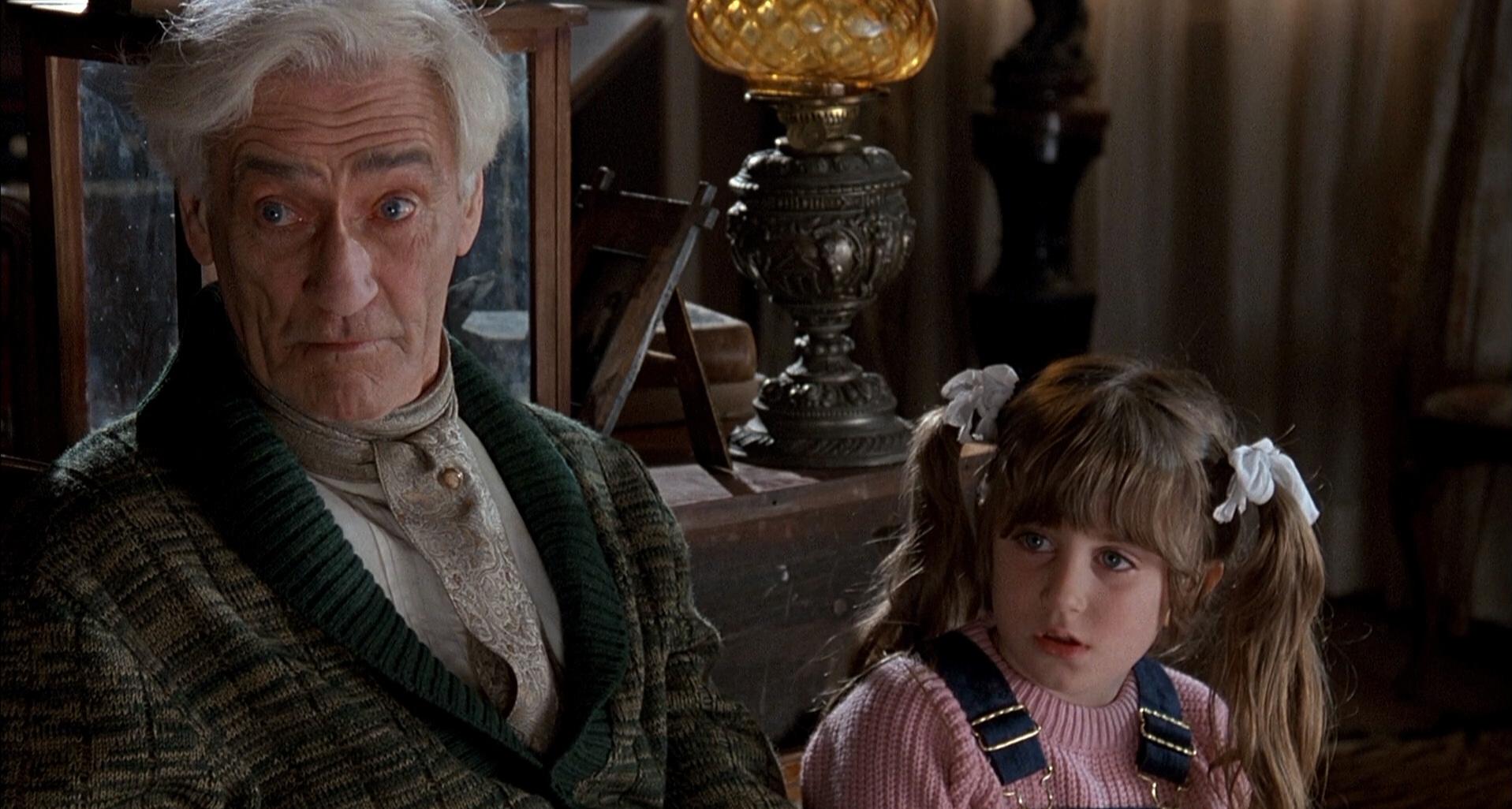
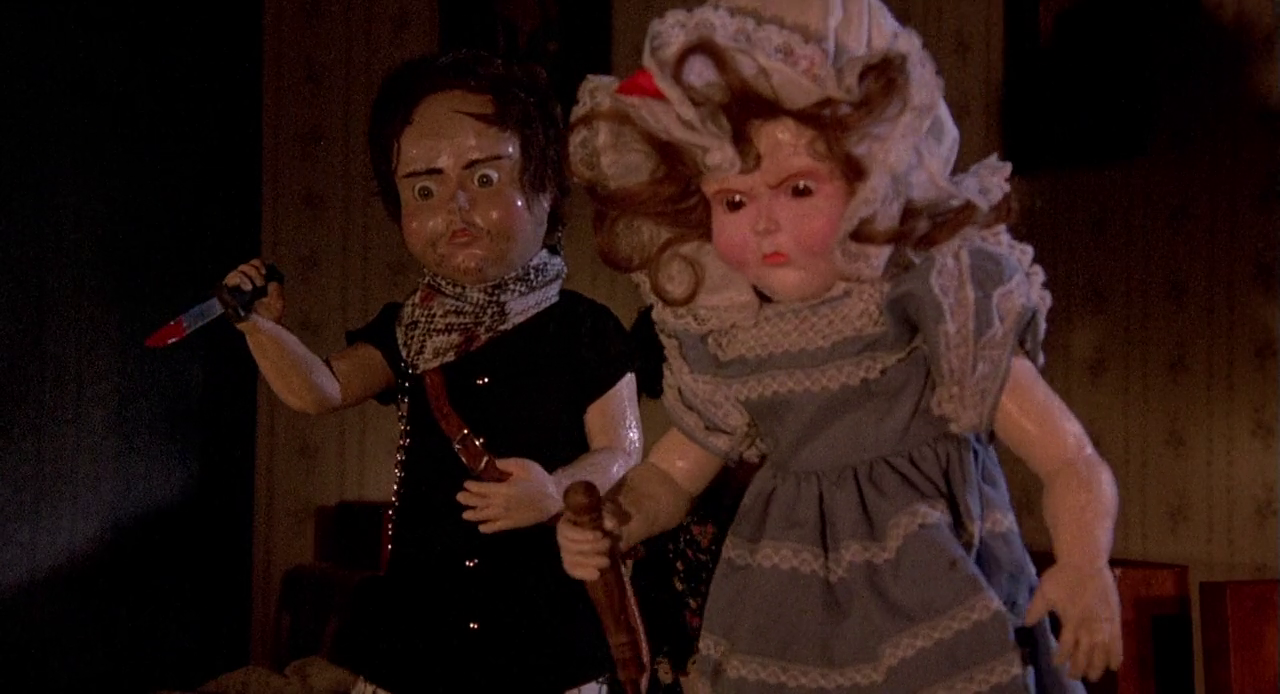
The dolls themselves are not evil, hateful, or insane; they do not even look like a threat (unlike the characters from Puppet Master), although animatronics make them capable of twisting their faces into unpleasant grimaces or showing sharp little teeth. They give the impression of having been created centuries ago, like products of the Renaissance and slightly later times – the craftsmanship of their execution arouses our respect, which makes it harder to see them as the villains of this story, even when they commit exceptionally brutal acts. The screenplay by Ed Naha refrains from judging them, because little Judy does not do so either.
Another thing is that even when witnessing someone’s death, the girl seems not to be aware of what she is really watching. This introduces elements of situational humor, when the good-natured Ralph begins to be more frightened than she is, and in his concern for the girl’s well-being others see an unhealthy interest in her.
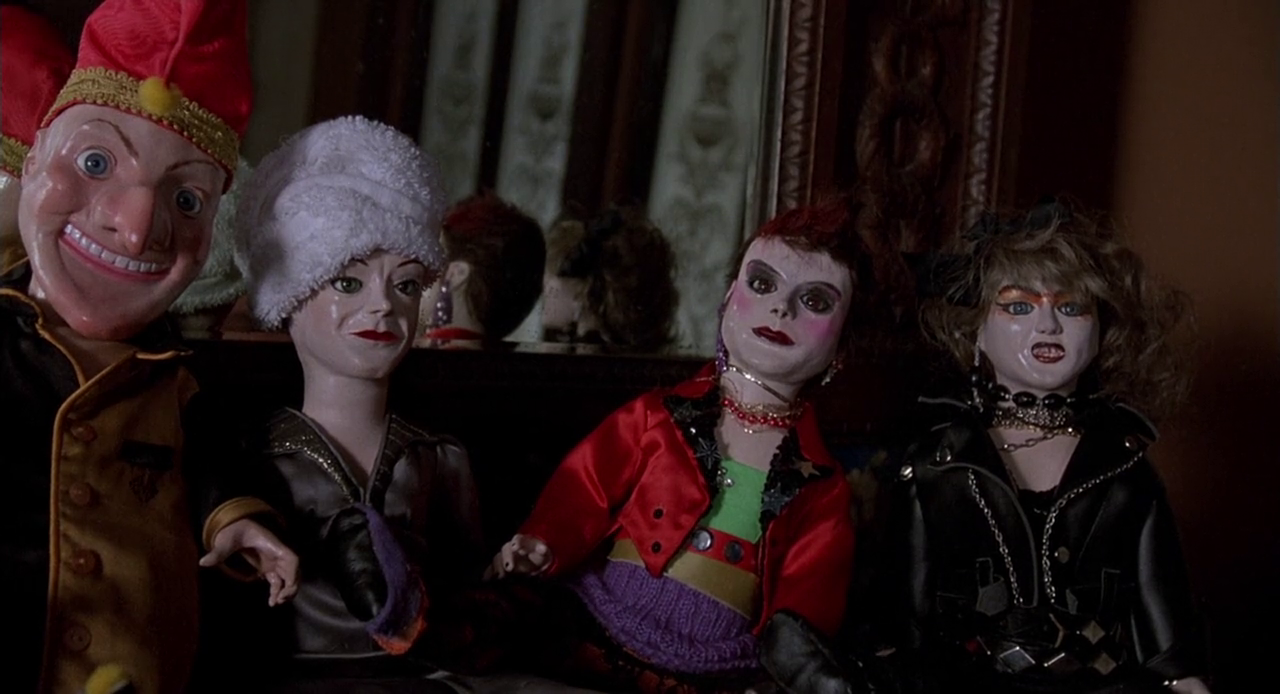
All this makes Dolls capable of irritating viewers accustomed to horror of a more serious tone and a more mature perspective on the story being told, but that is precisely the charm of Gordon’s film, which not without reservation sides with the titular characters and their right to bloody revenge. This resonates perfectly in the scene of the execution of one of the human characters, who is killed by a firing squad of toy soldiers. Even the music at that moment has something childlike about it, though surprisingly ominous, and the director manages to extract horror without losing the absurdity of the entire situation.
Meanwhile, Charles Band would more than once want to scare us with dolls, but even in his famous series without the same results as Gordon. Perhaps because while one of them does not avoid reflection on the role of dolls in childhood, the other simply wants to play with them.


Looking back at DEAD SNOW: A Blizzard of Nazi Gore Fun

DEAD SUSHI: Exotic, Spicy, and Wildly Entertaining

Revisiting ALICE, SWEET ALICE: Dread and Religious Symbolism

PUPPET MASTER: LITTLEST REICH – Achtung! It’s Good!
