
Review
THE ROAD TO EL DORADO. Discovering new worlds

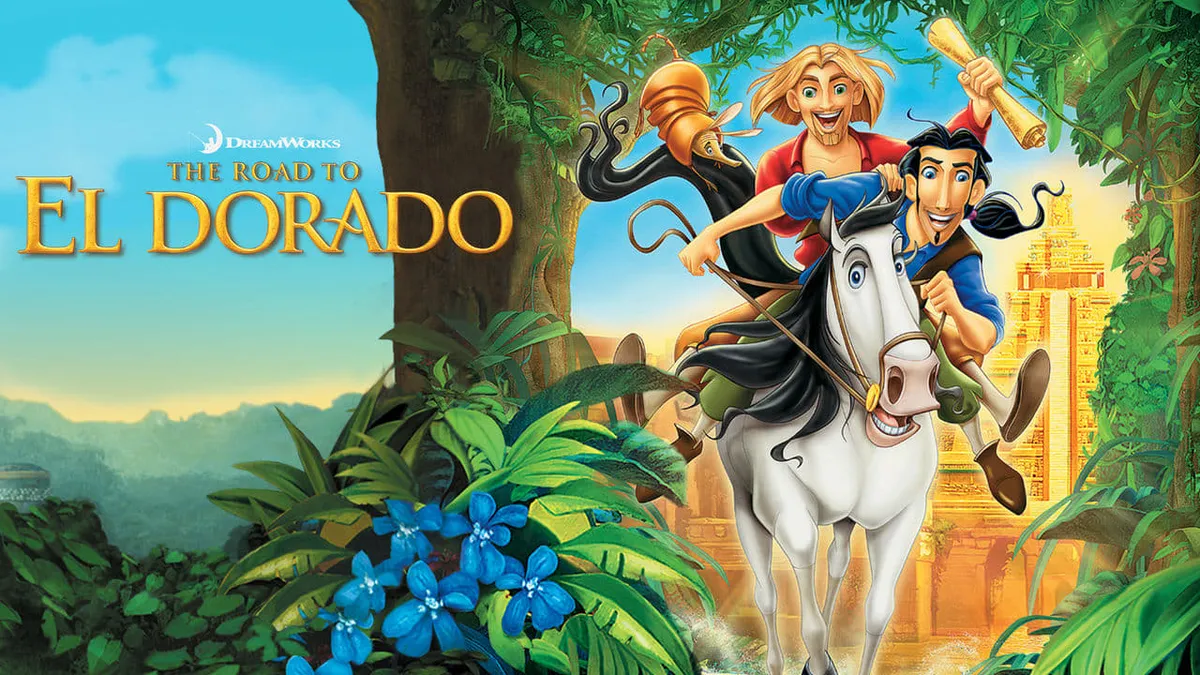
After the success of Shrek, DreamWorks began producing very similar animations – typical comedies in which gags, usually referencing popular culture, were the main focus. This formula worked, audiences flocked to the cinemas, but eventually it became clear that the creators were taking the path of least resistance. A change came with How to Train Your Dragon. Interestingly, DreamWorks Animation didn’t reach for an entirely new recipe for success at that time. Instead, they returned to where it all began. After its debut, Woody Allen–style Antz, the studio released films such as The Prince of Egypt, Spirit: Stallion of the Cimarron, Sinbad: Legend of the Seven Seas, and The Road to El Dorado. All of them resembled classic Disney productions more than Shrek-like creations. They drew upon legends and fairy tales, the main characters were primarily human, and the spirit of adventure pervaded the whole. Unfortunately, apart from The Prince of Egypt, it’s hard to speak of success. The Road to El Dorado turned out to be a financial flop, earning only $76 million against a $95 million budget.
What may have worked against it was the fact that the film clearly wasn’t aimed at very young children. Reviewers argued that The Road to El Dorado was really aimed at no one, since adults supposedly wouldn’t find much in it either. I strongly disagree. I had a great time watching it both when I was around 12 and later, as a man in my twenties. Although I really enjoy Shrek and most of DreamWorks’ Shrek-like productions, over time they started to wear me out. With The Road to El Dorado, it’s different.

I simply love this kind of animation – discovering new worlds has always seemed like the perfect premise for a story, and here it was executed brilliantly. It also helps that the main characters are fairly ordinary, “human” figures – there are no princesses or knights here. That makes it much easier to identify with them. And after all, who among us doesn’t dream of experiencing such an adventure?
This story of two con men who stumble into the legendary El Dorado and pretend to be the gods awaited by its inhabitants is not only funny but also insightful. Between the lines, one can find commentary on what happiness means to people, on questions of honor, material wealth, and even the clash between secularism and religion (over-interpretation? Maybe, but there’s definitely something to it). Tulio and Miguel are compelling characters, very different from each other, and surprisingly nuanced for a film supposedly aimed at kids. The supporting cast is no less engaging. The two villains are far removed from the stereotypes of Hollywood animation, and the real scene-stealer is the horse Altivo, who almost certainly inspired the creators of Disney’s Tangled.

Considering the year it was made, the animation itself holds up at a very high level. The mythical city of El Dorado was beautifully rendered – the backgrounds drawing from both Indigenous and Latin American culture are truly impressive. The music also plays a major role in creating the film’s atmosphere. The score was composed by world-class specialists Hans Zimmer and John Powell, while the songs were written by Elton John and Tim Rice, whose collaboration we admired in The Lion King. Someday Out of the Blue is a fantastic track, and I honestly don’t understand why it wasn’t even nominated for an Oscar.
This title didn’t go down in history as a milestone in world animation. For DreamWorks, it was in fact a failure – and who knows, if not for the massive success of Shrek, released a year later, they might not have continued making films for children at all. But I really like The Road to El Dorado. Put it on Netflix or find another way to watch it, and decide for yourself whether it really deserved such a weak reception. It’s quite possible you’ll end up on my side.

